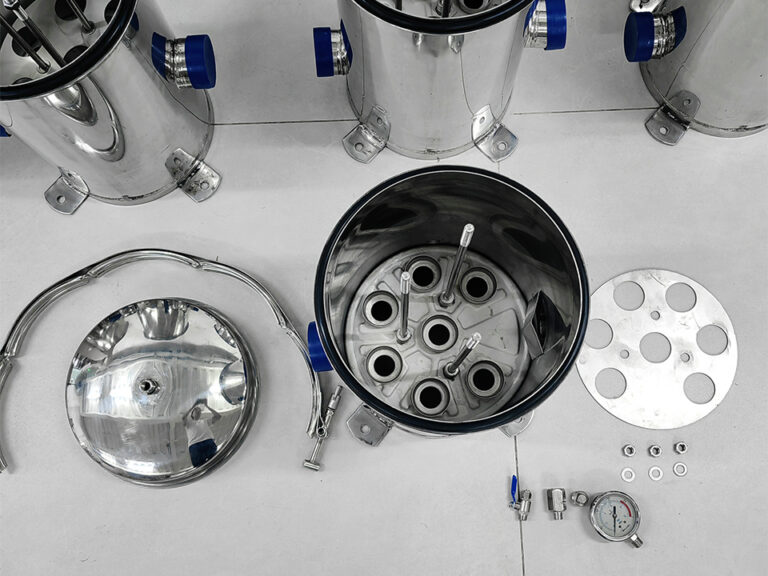
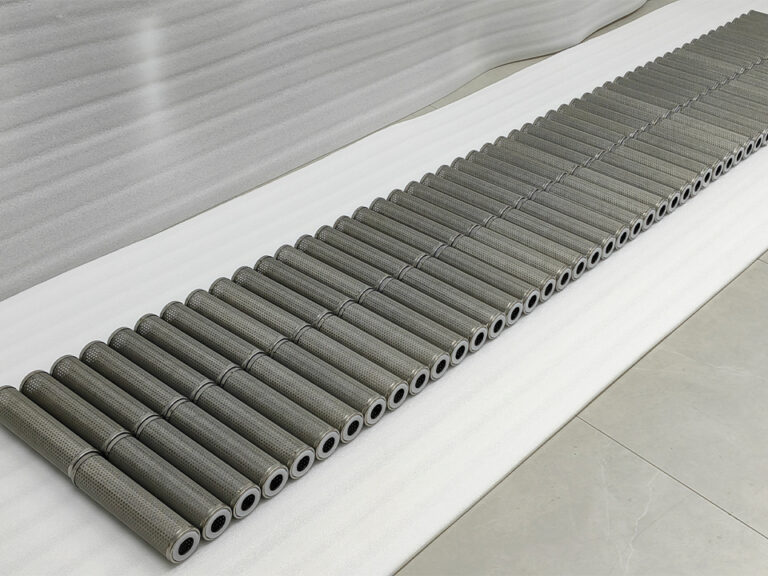
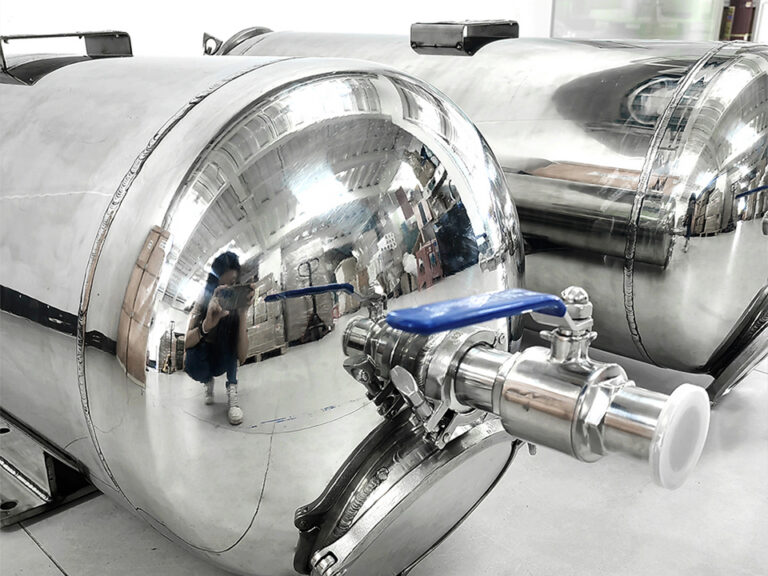
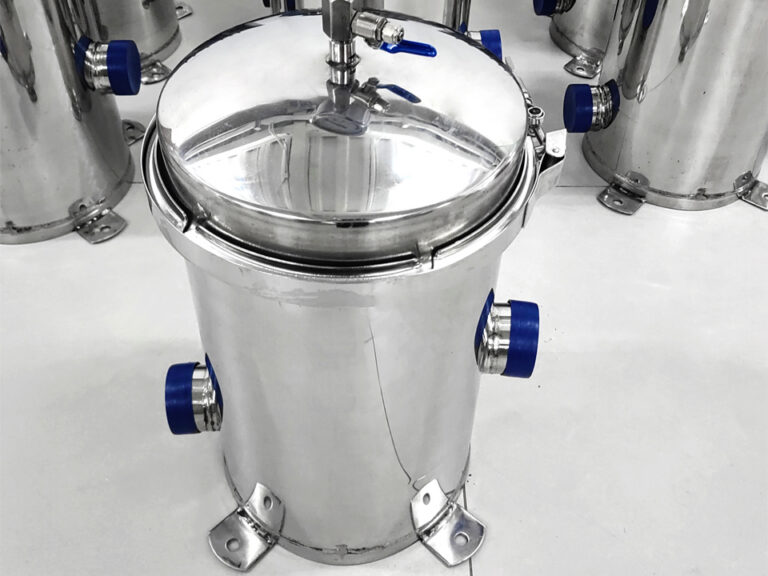
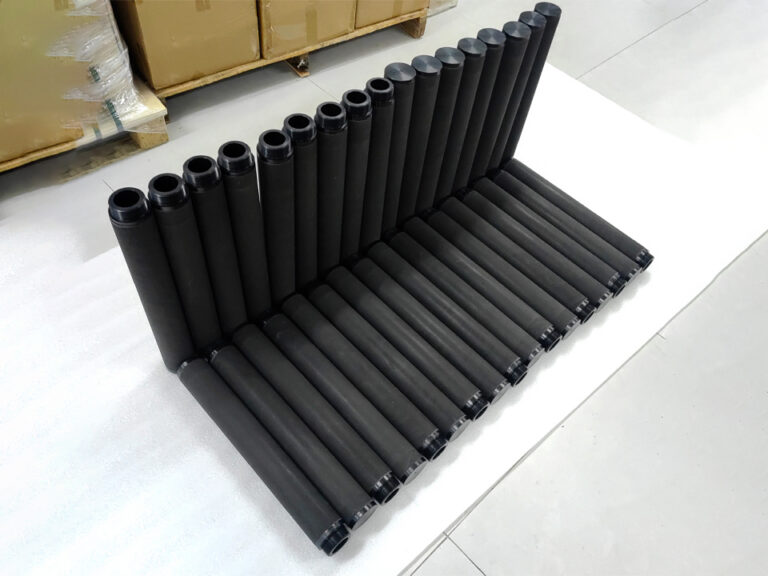
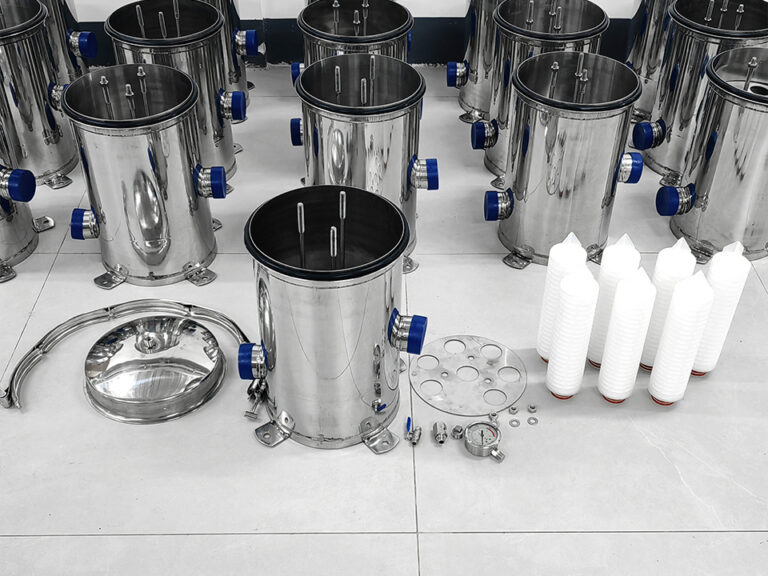
広州立源浄水設備有限公司は2009年に設立された工業用フィルターメーカーで、ステンレスフィルターハウジング、ステンレス無菌水タンク、フィルターエレメント、フィルターバッグ、超高分子材料、焼結フィルター製品を設計、製造している。Lvyuanは、OEM/ODMサポート、ISO9001品質管理、および複数の国の認証のためにバイヤーを選択します。.
広州立源浄水設備有限公司.
2009年開始

実のところ、私はメンテナンスチームが1か月に3回も部品を交換したり、プロバイダーを罵ったり、ポンプのせいにしたり、ミクロン単位の定格について議論したりする様子を楽しんでいる。それでもなお、オイルフィルターハウジングのキャップの下に、まるで自白書のようにくっついている、酸化したスラッジの黒い輪は無視し続けている。なぜ不動産だけは何の非難も受けないのだろうか?
業界は、汚染が実際にどのように作用するかを人々に正確に示すよりも、はるかに速いペースでカートリッジを市場に投入しているからだ。.
オイルフィルターハウジングは、単なる受動的な鋼鉄製のカップではありません。そこは犯罪現場そのものです。そこには、高温環境、湿気への曝露、添加剤の析出、シール不良、ワニスの生成、バイパス機能の誤用、応力スパイク、そして「開いていたドラム缶の油を適当に補充した」という静かな愚行といった、数々の「歴史」が蓄積されているのです。 油圧システム、ギアボックス、コンプレッサーの潤滑回路、ディーゼル燃料移送スキッド、およびプロセスオイルループにおいて、オイルフィルターハウジングの汚れは通常、1つの重大な故障ではなく、数ヶ月にわたる些細な過ちの積み重ねの末に現れるものである。.
そして、ここに厳しい現実があります。もしあなたのチームがコンポーネントの交換だけを行っているなら、それはフィルターハウジングのメンテナンスを怠っていることになります。それは単なる見せかけの作業に過ぎないのです。.
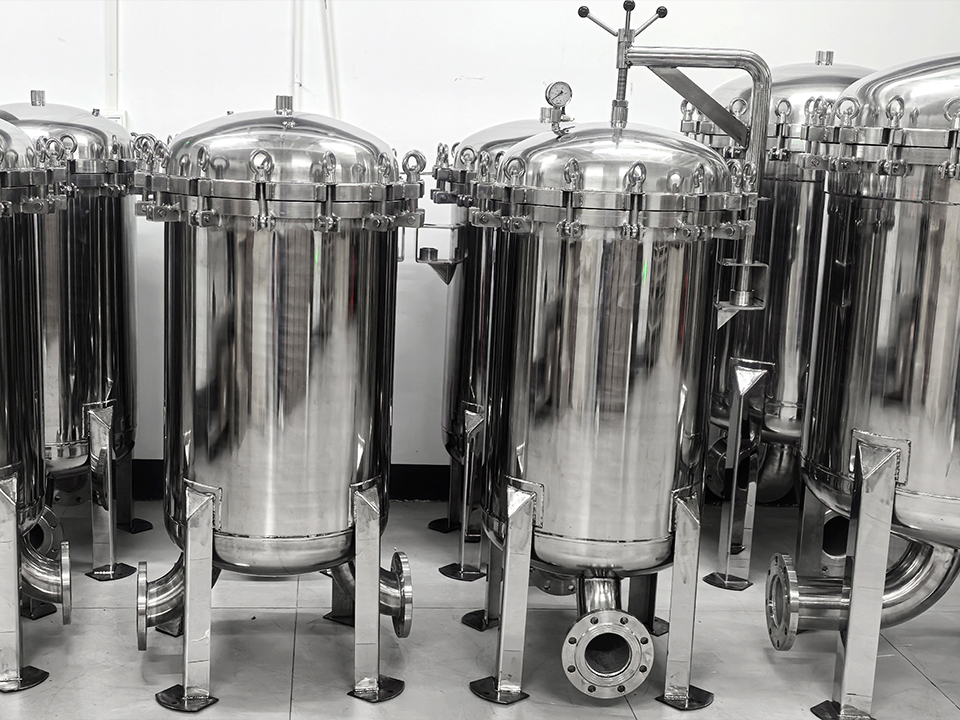
オイルフィルターハウジングの汚れとは、ハウジングのボウル、キャップ、ストリング、エレメント座、バイパス経路、ドレンプラグ、およびOリング溝の内部に、汚れたオイル、スラッジ、ワニス、カーボン、水溶液、粒子状物質、腐食生成物、エラストマー片、および添加剤の残留物が堆積することです。.
その解釈はすっきりしているように聞こえる。しかし、実際の状況はそうではない。.
現場では、3つのグループが見られます。まず、柔らかいスラッジ:暗色のペースト状のもので、多くの場合、酸化、残留物、水、あるいは相性の悪い油が混ざったことが原因です。次に、除去が困難なワニス:金属に付着し、手抜きの洗浄では到底落とせない琥珀色から茶褐色のラッカー状のものです。 第三に、粒子状の付着物です。砂粒、鋼の削りくず、腐食片、繊維、ガスケットの破片、タンクのスケール、溶接スラグ、そして前回の作業員が密閉されていない漏斗を使って持ち込んだあらゆる異物などが含まれます。.
オイルフィルターハウジングは、これらすべてを生み出すわけではありません。しかし、それらを集中させる役割を果たしています。.
油圧オイルフィルターハウジングは、油圧オイルが圧力、熱、せん断力、混入空気、および添加剤によるストレスにさらされているため、特にその状態が顕著に現れます。フィルターハウジングが汚れると、差圧が早期に上昇し、バイパス弁がチャタリングを起こし、部品の寿命が激減し、オペレーターからは「フィルターがすぐに詰まる」といった非建設的な不満が漏れ出すようになります。“
いいえ。このシステムはひどく汚い。.
最初の診断上のミスは、ハウジングを時期尚早に開けてしまうことです。.
ストラップレンチを手に取る前に、以下の数値を記録しておいてください:入口応力、出口圧力、差圧、油温、稼働時間、直近の補充量、油種、ISO粘度等級、および粒子数測定情報がある場合は直近のISO 4406清浄度コード。 私は、4 µm(c)、6 µm(c)、14 µm(c)の粒子数を並べて確認することを好みます。これらを比較することで、問題が微細な沈殿物によるものか、より大きな摩耗粒子によるものか、あるいは一般的な汚染物質の混入によるものかが明らかになるからです。.
その後、習慣について見てみましょう。.
500稼働時間以上にわたって徐々に汚染が進むハウジングは、2シフトで10 µmの粒子を捕捉するハウジングとは異なる状況を示しています。急速な汚染は、水の浸入、シール不良、リザーバーの汚染、不適切なオイルの使用、不十分な休息、あるいは上流の部品の摩耗などが要因となります。 緩やかな汚れの蓄積は、通常、酸化、過熱、ろ過面積の不足、不適切なメンテナンス管理、あるいは部品の本来の汚れ保持能力を超えて使用していることを示唆しています。.
もう一点:ドレンパイプの受け皿から採取した、一見きれいに見えるオイルサンプルを絶対に信用してはいけません。オイルは、リアルタイムで、乱れがあり、状況を如実に反映している箇所から採取してください。デッドゾーンのサンプルは、販売パンフレットと同じくらい現実離れしています。.
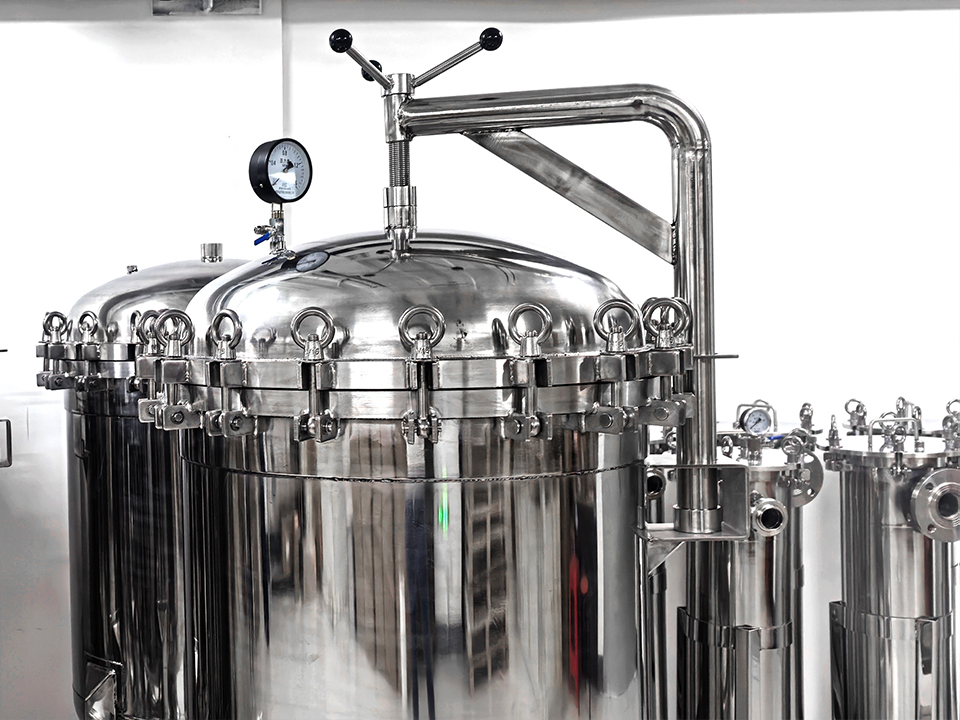
システムが分離され、減圧され、遮断され、安全に扱える状態になったら、証拠が見つかることを想定して、その場所を調べてください。実際にそうなる可能性があるからです。.
ディッシュ内の黒いスラッジは、一般的に酸化、煤、高い熱ストレスや過度な負荷、あるいはオイル交換間隔が長すぎることを意味します。キャップやセンターチューブに付着した茶色がかった黄色のワニスは、オイルの劣化や温停止サイクルを示唆しています。 乳白色の堆積物は、水の混入を示しています。腐食は、結露、不適切な保管、ブリーザーの湿気、または洗浄時の浸入が原因である可能性があります。ゴムの粉は、Oリングの劣化、不適切なエラストマーの選定、あるいは温度や化学的要因によって古いシールが崩壊していることを示唆しています。.
ここで率直に言わせてもらうが、Oリングの溝、バイパスバルブ、スプリング、ドレンポート、エレメントの座面を点検しなければ、オイルフィルターの点検は完了したとは言えない。単に蓋を開けただけだ。.
混合流体を処理するプラントにおいては、前処理の仕組みが重要となります。液体ろ過に使用されるディープメディアカートリッジ、例えば 液体および油圧関連のろ過用、カスタマイズ可能なPP製回転式深層ろ過カートリッジ, では、汚染物質を捕捉する構造がなぜ重要なのかが示されています。すなわち、深さ方向の荷重と表面積方向の荷重では、その挙動が異なるからです。油溶液においても、製品や適合性の要件が変化する場合、同じ原理が適用されます。媒体の形状は単なる設計要素ではありません。それによって、汚染物質がどのように堆積、浮遊、閉塞、あるいは迂回するかが決まるのです。.
オイルの浄化に関する問題は、通常、その部品そのものが批判の対象となります。それは手間がかからないですが、同時に怠慢でもあります。.
7人の常習犯は以下の通りです:
ミクロン定格が不適切です。汚れの多いシステムにおいて、3 µm や 5 µm のエレメントは、システム保護装置というよりは、単なる「犠牲プラグ」となってしまいかねません。目合いが細かいほど良いとは限りません。.
水の混入。水は酸化を促進し、鋼を腐食させ、成分を劣化させ、さらに媒体を不透明にする溶液を生成します。多くの油圧・潤滑用途において、カール・フィッシャー値が500 ppmを超える場合は注意を要します。1,000 ppmを超える場合は、ブリーザーシステムの管理責任者が誰なのかを確認し始めます。.
熱酸化。熱によってオイルが加熱され、ワニスの前駆物質へと変化します。高温のモーター、コンプレッサーの吐出部、蒸気配管、あるいは直射日光にさらされたスキッドの近くにあるハウジングは、まるでラッカー工場と化してしまうことがあります。.
空気の混入。泡や微細な気泡は酸化ストレスや不安を高め、圧力測定値の乱れを引き起こします。泡立った油は無害というわけではありません。それは油が警告のサインを出しているのです。.
シールに関する問題。NBR、EPDM、FKM/バイトン、シリコーン、PTFEは、油、成分、芳香族化合物、熱、洗浄剤に対して、それぞれ全く同じ挙動を示すわけではありません。不適切なシールの選定や化学的適合性の欠如は、徐々に故障を招きます。.
部品交換時の作業規律が不十分だ。技術者が汚れた手袋をしたままハウジングを開け、キャップを汚れた床に置き、へこんだOリングを再利用し、蓋の開いた容器からオイルを注ぐようなことがあれば、新しい部品は最初からトラブルに見舞われることになる。.
容量不足の不動産。小規模な不動産は、処理速度が速く、滞留時間が短く、ダスト処理能力が低く、深刻なストレス傾向をもたらします。ダウンタイムのコストが1時間あたり$8,000である以上、オーバーサイジングは決して無駄ではありません。.
| 耐水性 | おそらく作成する | 次に点検すべき事項 | 回避・移転 |
|---|---|---|---|
| ボウルの中の黒いペースト | 酸化、煤、オイル交換間隔の長期化、熱 | TAN、粘度変化、オイルの経年変化、温度レベル記録 | 排水管の間隔を短くし、熱を低減し、洗浄効果を高める |
| 琥珀色のワニス映画 | 熱応力、添加剤の劣化 | MPCワニス試験、サーボの固着、ウォームクロージャーの履歴 | 冷却性能の向上、ワニス発生の抑制、よりクリーンなシャットダウン手順 |
| 乳白色の残留物 | 水分の侵入または結露 | カール・フィッシャー法(ppm)、残留物問題、貯蔵タンクのヘッドスペース | 乾燥剤の交換、シール部の修理、水分除去 |
| ハウジング内部の腐食 | 水、不十分な保管、湿気の多い環境 | 貯蔵タンクの評価、洗浄時の曝露、キャップの密閉 | 乾燥保管、はるかに優れた気密性、耐食性に優れた設置場所 |
| ゴム製の部品 | シールの不具合 | Oリングの材質、化学的適合性、温度 | 適切なエラストマーを使用し、各ソリューションごとにシールを交換してください |
| 初期の大きな差圧 | アスペクト比の過負荷、またはミクロンスコアの誤り | ISO 4406、バイパス遮断、流量、粘度 | 位相フィルタリング、より大型のハウジング、よりクリーンなオイル移送 |
| 見た目はきれいなのに、実は汚れた皿 | デッドゾーンの沈降 | 排水管の開口部、便器の形状、洗浄プロセス | 交換作業中は、単に外観だけでなく、物件全体をきれいに整えておくこと |
オイルフィルターの目詰まりを防ぐためのベストプラクティスは、地味で、繰り返し行う必要があり、かつ効果的です。だからこそ、メンテナンス体制が不十分な組織は、こうした対策を避けてしまうのです。.
まずは、油の移送を適切に行うことから始めましょう。新しい油だからといって、必ずしもきれいな油とは限りません。 私は、固定式の移送カート、専用のホース、クイックコネクト、ベータ定格のフィルター、そしてISO VG 32、46、68、100、150の各油種ごとに識別された容器の使用を推奨します。添加剤の相性問題の調査に時間を費やしたいのでない限り、作動油と機器用油で機器を共用しないでください。.
エアサイドを管理しましょう。リザーバーの受け台、容器のシール、シャフトシール、注油口キャップ、点検カバーは重要です。たとえ優れたオイルフィルターを装備していても、タンクが18ヶ月間も湿った工場内の空気を吸い込み続けていた場合、その欠点を補うことはできません。.
汚染が激しい場合には、フィルタリングを行うことが推奨されます。粗いプレフィルターが、より微細な成分を保護します。同様の商業的論理は、沈殿物が多いシステムにおいても見られ、そこでは 80ミクロンの洗浄可能なナイロンまたはステンレスメッシュ製プレフィルターカートリッジ 微細なろ過を行う前に、大きな異物を除去します。油圧システムにおいても、まったく同じ原則が求められます。つまり、回路内のあらゆる塊、繊維、錆の破片を、微細なろ過要素にすべて処理させるようなことはあってはなりません。.
ハウジングのサイズ選定は、実情に基づいて行う必要があります。選定の基準となるのは、循環流量、粘度、温度、汚染物質の含有量、バイパス設定、および設置スペースです。実際に、カートリッジの価格ばかりにこだわり、30%ほど小さすぎるハウジングのコストを無視している顧客を目にしたことがあります。これは、エンジニアリングを装った単なる調達活動に過ぎません。.
ボウルとキャップは毎回清掃してください。「場合によっては」ではありません。 毎回です。拭き取り、点検、排水、バイパスバルブの可動確認、スプリングの点検、ねじ山の確認、シールの交換、および堆積物の記録を行ってください。$3のOリングが、作業を怠ると$60,000の油圧ユニットを故障させる可能性があります。.
油の取り扱いと水の取り扱いは異なります。適合性、温度、圧力、粘度、および媒体の化学的性質はそれぞれ異なります。とはいえ、幾何学の知識は応用できます。.
適切な選定を行えば、より大きな不動産は、追加のメディアエリアとより多くの土壌収容能力をもたらし、圧力低下を軽減します。そのため、次のような大判システムは ジャンボ 5ミクロン ビッグブルー式フィルターカートリッジ これらは大流量の水処理用途でよく見られます。フィルター面積を大きくすることで、流速を低下させ、寿命を延ばすことができます。油の場合も、フィルター面積を大きくし、汚れの保持能力の高い部品を使用することで、材料が油と適合している限り、基本的に同様の経済的効果が得られます。.
について 10インチおよび20インチの「Large Blue」ハウジング用フィルターカートリッジ規格 同様に、長さが重要な理由も浮き彫りになります。20インチの部品は、一般的に10インチのタイプよりも広い面積を確保できるため、同等の流量や汚染負荷の下では、交換頻度を減らすことができます。油圧オイルフィルターハウジングの選定においては、低温始動、高粘度、および圧力急上昇が、サイズが小さすぎるアセンブリに大きな負担をかけるため、この理屈はさらに重要になります。.
そして、その次はスケール化学です。水処理システムでは、次のような製品が利用されています。 Siliphos スケール防止カートリッジ 鉱物成分によるトラブル対策として。石油系システムには、酸化、添加剤の不足、酸の発生、ヴァーニッシュ、水分、エラストマーとの適合性など、独自の化学的課題が存在します。化学的要因は様々ですが、学ぶべき教訓は同じです。化学的要因を軽視すれば、その代償はフィルターが払うことになります。.
差分応力は有用です。ただし、診断そのものではありません。.
ΔPの上昇は、その部品が正常に機能していることを示している可能性があります。あるいは、オイルが冷えているか、粘度が適切でないか、バイパス遮断弁が固着しているか、フィルター内部が汚れているか、水が混入してろ材が湿った状態になっているか、あるいは誰かが間違った部品を取り付けた可能性があります。 ですから、制御パネルに「フィルター閉塞」と点滅表示が出ても、ベテランのペットのように慌てて物置へ駆け込まないでください。.
システム全体をぜひご覧ください。.
オイルフィルターの重要な資産点検では、少なくとも4つの情報源(圧力推移、オイル分析、物理的堆積物の評価、および保守履歴)を活用します。必要に応じて、粒子状物質、カール・フィッシャー法による水分、40 °Cにおける粘度、TAN、鉄分濃度、および構成部品の解剖検査を含めます。資産が重要でない場合は、ペナルティが科されます。 フィルターの交換を継続し、ダウンタイムの報告は状況に応じて行うこと。.
オイルフィルターハウジング周辺の漏れは、通常、以下の不適切な取り扱いによって引き起こされます:シールの再利用、不適切なエラストマーの使用、キャップの締め付け過多、溝の傷、座面の不均一、熱サイクル、共振、および応力スパイクなどです。.
締め付けを強くしすぎると、漏れが悪化する可能性があります。.
押しつぶされたOリングは、圧縮記憶を失います。傷がついた溝は、最終的に漏れの原因となります。不適切なシール材は、膨張、収縮、硬化、あるいはひび割れを起こします。 砂粒などが混入したキャップのねじ山は、締め付け力が不安定になり、サービス技術者にハウジングが正しく装着されていると誤認させる恐れがあります。また、皿状の部品が完全に洗浄されておらず、シール面に細いスラッジの帯が、まるで小さな妨害装置のように残っていたために、ハウジングから漏れが発生した事例も実際に目にしたことがあります。.
オイルフィルターの漏れを防ぐため、基準を文書化してください。使用するシール材を明確に定義してください。定期点検の際にシールを交換してください。Oリングには適切なオイルを塗布してください。ライトを使って溝の状態を確認してください。利用可能な場合は、トルクレンチを使用してください。予備のキャップとドレンプラグを常備しておいてください。パイプレンチを中世の道具のように使用しないよう、作業員に指導してください。.
適切な不動産メンテナンスのルーチン例は、次のようなものです:
停止前に、負荷、温度、稼働時間、およびオイルの状態を記録してください。.
システムを隔離し、減圧してください。.
ハウジングを開ける前に、外側をきれいに掃除してください。.
捕集した粉塵をボウルに戻さないように注意しながら、部品を取り外してください。.
アスペクトプリーツ、エンドキャップ、粘着部分、崩壊インジケーター、および汚れの有無を確認してください。.
水を切り、お皿を拭いてください。.
バイパス遮断動作を確認する。.
Oリングの溝、キャップの紐、バネ、導管、および排水管の開口部を点検してください。.
シールを交換してください。.
マイクロン値、ベータ比、循環方向、および製品との互換性が確認された適切なコンポーネントを取り付けてください。.
清潔なオイル取り扱い手順に従って、補充または再活性化を行ってください。.
再起動後のΔPを測定し、基準値と比較する。.
その物件は華やかではありません。手入れが行き届いている物件が華やかであることは、めったにないものです。.
| 決定要因 | 選択の弱さ | 品揃えがずっと充実している |
|---|---|---|
| 不動産の側面 | 最も安価な小型アンテナ | 流量、厚さ、粉塵負荷、およびコールドスタート時のΔPに合わせて設計されたハウジング |
| 要素の選択 | “「サイズはまったく同じで、十分近い」” | 正しいミクロンスコア、ベータ比、シール材、および崩壊順位 |
| 油の移送 | 水差しと漏斗を開けてください | セキュリティ対策済みのフィルタ付き搬送カート |
| 間隔を変更する | カレンダーのみの代行 | 圧力変動+石油評価+評価 |
| 片付け | 要素を単に置き換える | 皿、キャップ、溝、バイパス、排水管をきれいに整える |
| シール | 古いOリングをリサイクルする | 適切なNBR、FKM、EPDM、シリコーン、またはPTFEに交換してください |
| 調査 | カートリッジのせいにする | 剖検所見および飼育容器内の残留物の検査 |
フィルター本体の油汚れとは、皿部、キャップ、ねじ部、バイパス経路、および部品座金内部に、劣化した潤滑油、酸化ワニス、粒子状スラッジ、水、添加剤の沈殿物、およびシール材の破片が堆積する現象を指します。これにより、循環が阻害され、差圧の測定値が歪められ、新しく取り付けられたエレメントが汚染されてしまいます。.
一般的な原因としては、汚れたオイルの移送、熱、水の混入、空気の混入、不適切なオイルのブレンド、ブリーザー制御の不備、部品の摩耗、および不十分な保守管理などが挙げられます。結果として、不動産が汚染物質の蓄積源となるため、貯蔵タンクよりも先に不具合が現れることがよくあります。.
フィルターハウジング内のオイル汚染を診断するには、差圧、オイルの清浄度、水分含有量、温度履歴、エレメントの検査結果、シール部の不具合、バイパスバルブの動作、およびハウジング内の残留物を比較検討する必要があります。これは、システムからオイルを排出・洗浄した後、あるいは誤った部品が指摘された後も、通常、ハウジング内に証拠が残っているためです。.
まず、圧力および温度レベルの変動を確認し、その後、除去された成分と沈殿物を検査します。妥当な診断を行うために、ISO 4406に基づく粒子数測定、カール・フィッシャー法による水分測定、40 °Cにおける密度測定、TAN測定、および目視による残留物評価を実施してください。.
フィルターハウジングのメンテナンスは、単にスケジュールに基づいて行うのではなく、汚染の程度や圧力の変動に応じて設定すべきです。なぜなら、湿気、高温の閉鎖サイクル、不十分なブリーザー、あるいは混合された潤滑剤にさらされた作動油フィルターは、数週間で目詰まりを起こす可能性がある一方で、清潔で密閉された回路では、はるかに長期間使用できるからです。.
高価値資産については、構成部品の変更があるたびに不動産を点検し、残留物の種類を記録してください。汚れている、または湿っているシステムについては、圧力傾向と油の評価が安定するまで、点検間隔を短縮してください。.
オイルフィルターハウジングが汚れていると、新品のフィルターエレメントが台無しになる可能性があります。これは、古いスラッジ、酸化したオイル、腐食物、繊維の破片、膨潤したエラストマー粒子がボウルやキャップの周辺に残留しており、流量が再開して差圧が急上昇すると、それらがすぐに新しいフィルターエレメントに流れ込んでしまうためです。.
これが、「部品のみ」のメンテナンスが機能しなくなる理由です。ハウジングの清掃、シールの交換、バイパスの点検を行い、オイルの取り扱い状況を確認した上で、システムを再起動する必要があります。.
オイルフィルターの目詰まりを防ぐ最も効果的な手法としては、適切なオイル移送、ハウジングの適切なサイズ選定、多段階ろ過、水分排除、残留油量の管理、シール材の適合性確認、オイルの評価、フィルターエレメントの解体検査、オイル受けの洗浄、および毎回の整備作業後の差圧基準値の記録が挙げられます。.
ミクロンスコアだけを安易に追求してはいけません。システムの汚れの量、粘度、温度、圧力、流量、および故障のリスクに応じて、適切なフィルターを使用してください。.
オイルフィルターの汚れが解消されない場合は、反射的にエレメントを交換するのをやめましょう。次回の停止前に、オイルの種類、流量、作動温度、圧力データ、目標ミクロン等級、シール材、ハウジングサイズ、および汚染の兆候を、浄化サービスプロバイダーに連絡してください。 適切な協議では、カートリッジの形状、エレメントの充填材、Oリングの適合性、バイパス動作、および実際の汚れ保持能力について検討すべきであり、単にカートリッジ1本あたりの価格だけにとどまってはなりません。.