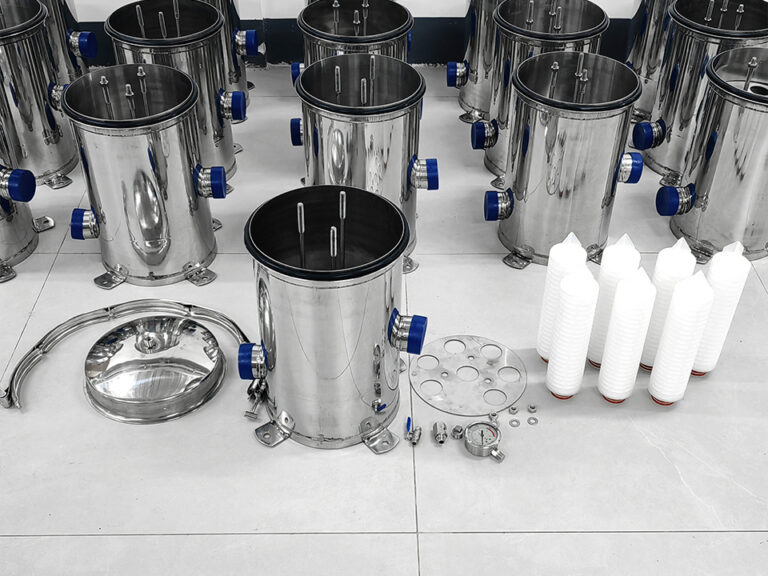
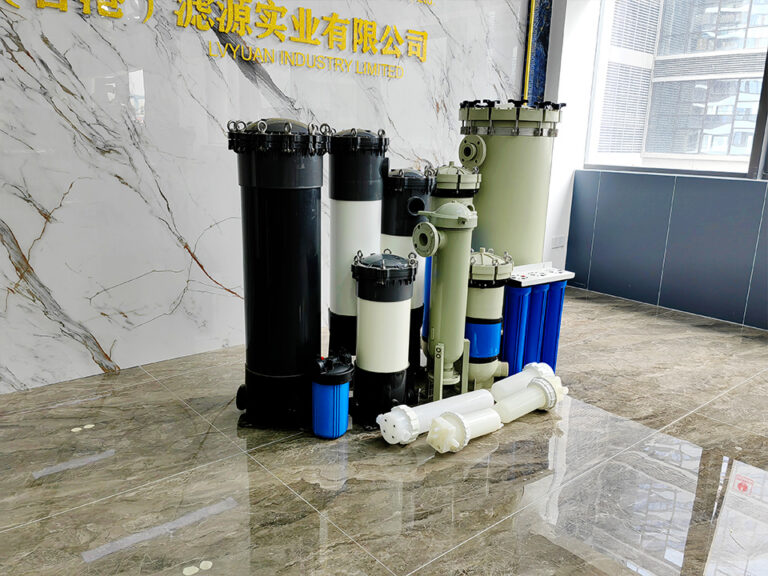
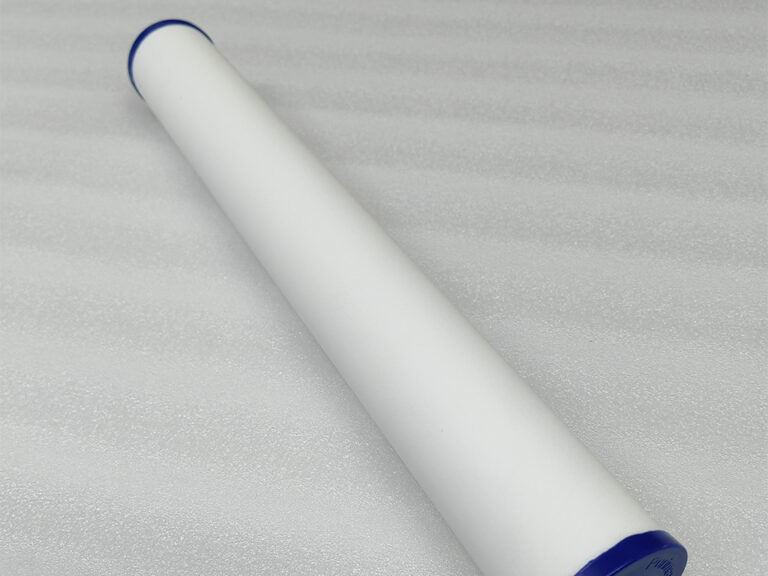
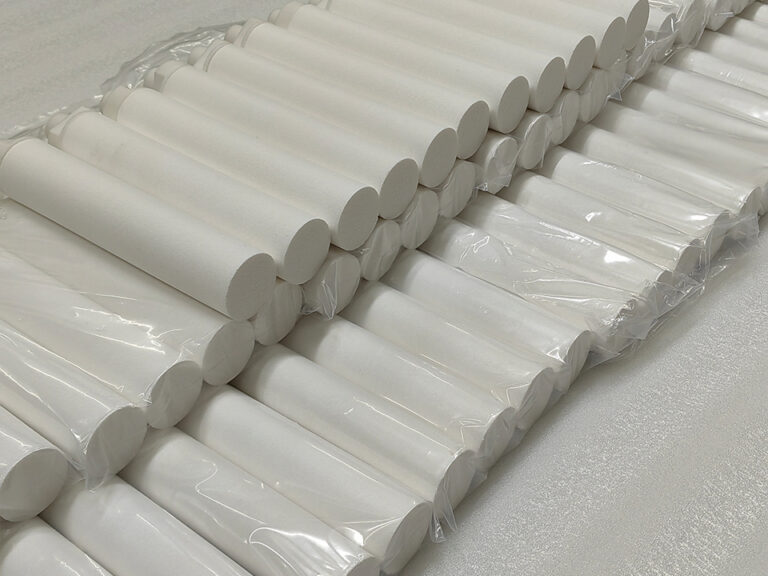
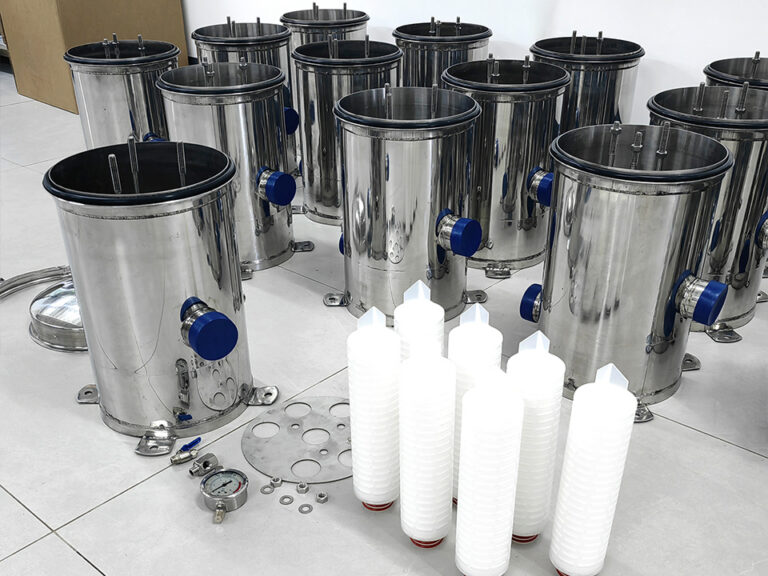
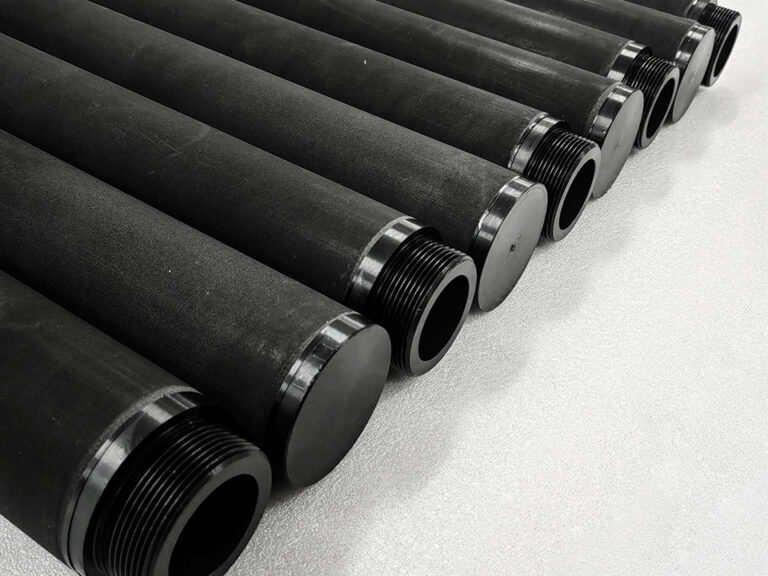
広州立源浄水設備有限公司は2009年に設立された工業用フィルターメーカーで、ステンレスフィルターハウジング、ステンレス無菌水タンク、フィルターエレメント、フィルターバッグ、超高分子材料、焼結フィルター製品を設計、製造している。Lvyuanは、OEM/ODMサポート、ISO9001品質管理、および複数の国の認証のためにバイヤーを選択します。.
広州立源浄水設備有限公司.
2009年開始

Tiny particles can flow through pumps, servo shutoffs, and precision-machined clearances, enhancing wear and shortening element life. A Hydraulic Oil Filter Cart gives a sensible way to clean oil without reconstructing the plant’s existing fluid-handling framework.
Yet why do investing in choices so usually begin and finish with a micron score?
Due to the fact that one number is simple to compare. Real filtration efficiency is more challenging to assess.
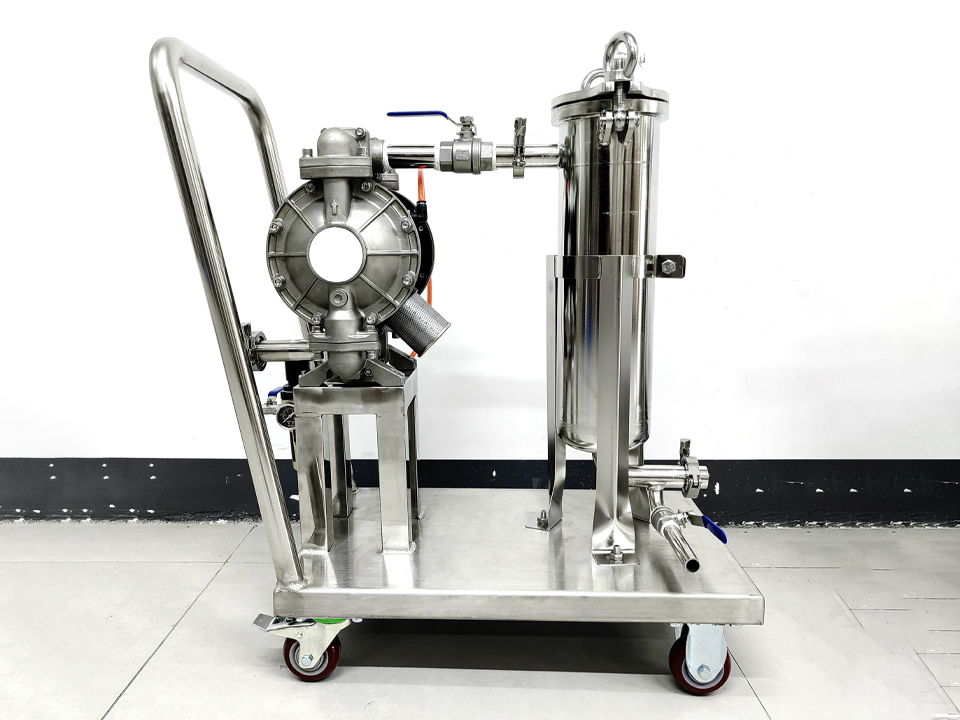
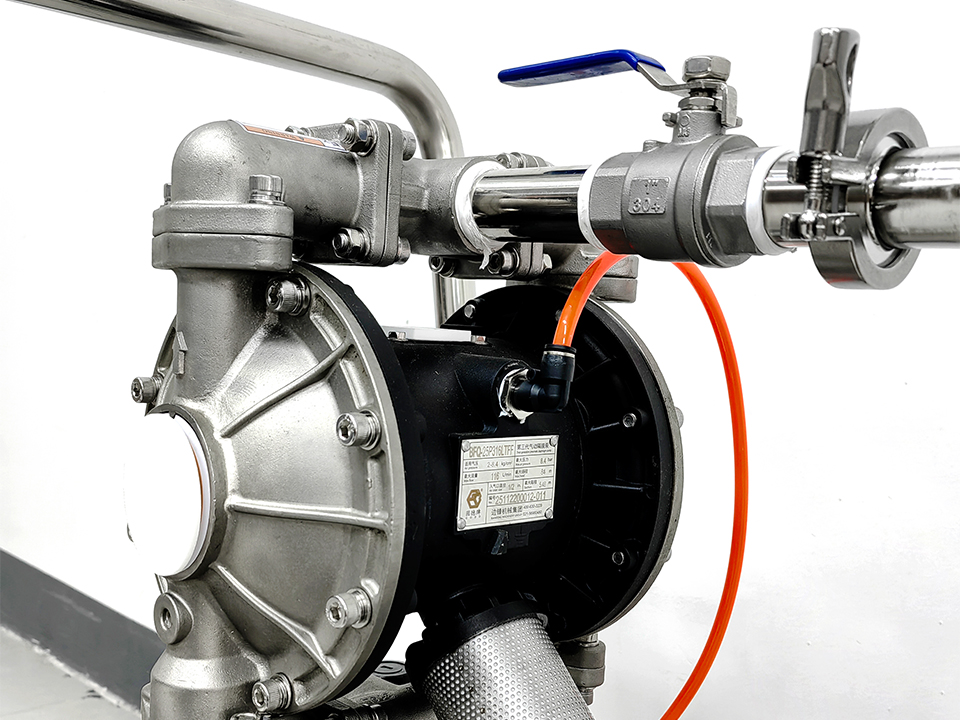
A regular cart combines a pump, electric motor, filter real estate, replaceable aspect, hoses, and pressure-monitoring elements. Relying on its setup, it can problem reservoir oil, filter new oil during transfer, or assistance maintenance flushing.
One limitation matters: particulate purification can not instantly eliminate dissolved water, recover diminished additives, or reverse oil oxidation. The treatment method must match the contamination issue.
The initial engineering decision is recognizing the contaminant.
A conventional particle filter is not a global filtration system. Customers must verify the necessary treatment prior to defining tools.
Micron ratings define particle-capture performance, but the ranking needs to be translated alongside the test approach and performance.
The beta ratio determines the number of particles upstream relative to downstream at a specified bit size:
$$. \ betax= \ frac N $$
Single-pass performance is determined as:
$$. \ eta_x= \ left( 1- \ frac \ beta_x \ right) \ times100 \%. $$
A beta ratio of 200 represents 99.5% efficiency at the defined fragment size under the relevant test problems. It does not indicate a whole reservoir becomes 99.5% cleaner after one pass.
When contrasting a Mobile Oil Filtration System, demand its evaluated beta proportion, rated circulation, differential-pressure restrictions, and dirt-holding ability.
A kidney loop draws oil from a tank, passes it with a purification circuit, and returns the cured oil to the very same tank. This allows offline conditioning while the host device stays operational when its procedures and operating conditions permit.
Think about a tank containing 500 litres of oil. A cart supplying 20 L/min has a theoretical turn over time of 25 mins:
$$. t= \ frac 20 \ message min =25 \ text minutes $$
That is a calculation, not a sanitation assurance. Tank blending, recurring contamination, oil thickness, and filter loading all affect outcomes.
Typical applications include:
We advise confirming sanitation with oil tasting instead of encouraging outcomes based only on reservoir quantity.
The very best cart is the one that meets the tools’s cleanliness requirements at a lasting operating cost– not always the design with the finest advertised filtration.
Prior to acquiring, develop:
Cold ISO VG 68 oil can enforce a different starting load from cozy ISO VG 32 oil. A cart has to as a result be sized for sensible operating problems, not simply a perfect temperature.
| Arrangement | Key purpose | Main limitation |
|---|---|---|
| Single-stage cart | Routine particulate elimination | Less versatility for blended contamination |
| Two-stage cart | Rugged protection adhered to by finer filtration | Added pressure decline and upkeep |
| Kidney loophole | Offline storage tank conditioning | Depend upon blending and running time |
| Water-management device | Therapy of specified water contamination | Calls for appropriate separation modern technology |
| Transfer filtering unit | Cleaning oil during filling | Can not avoid downstream contamination |
More phases are not immediately far better. The media, flow price, stress limitations, and contamination account should warrant the included intricacy.
ISO 4406 supplies a standardized approach for coding solid-particle contamination in hydraulic and lubricating fluids. Its three-part code represents particle-count classes at or above 4, 6, and 14 μm( c).
A code such as 18/16/13 is a tidiness classification, not a filter micron ranking.
The required target varies by equipment and component sensitivity. A precision servo-valve system may require tighter contamination control than a less delicate hydraulic circuit. ISO 12669 supplies an approach for identifying the required sanitation degree of a hydraulic system.
Utilize a quantifiable process:
If particle counts remain high, feasible reasons include recurring wear, filthy hoses, bypass procedure, improper media, or poor sampling strategy.
The filter component impacts particle capture, stress decrease, dirt-holding capacity, and life span. Material selection alone does not establish viability for hydraulic oil; the total assembly must be assessed.
Depending on the application, appropriate choices consist of:
These items are not automatically compatible with hydraulic filter aspects. Verify oil compatibility, operating temperature level, pressure resistance, particle-retention performance, and circulation features before defining a component.
Our sight is uncomplicated: buy verified efficiency, not a material label.
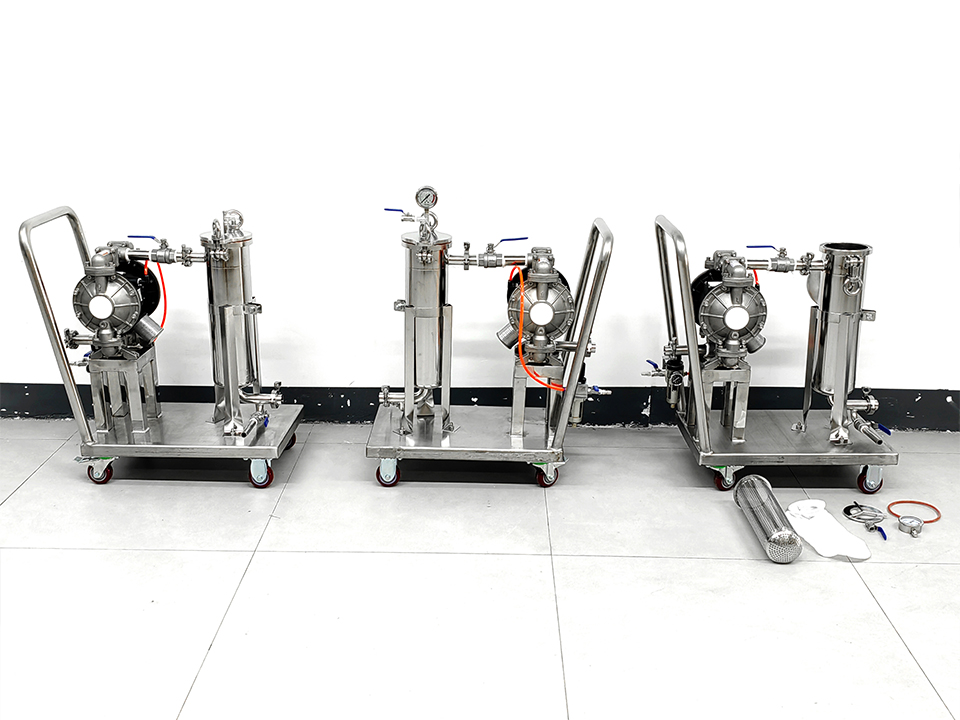
A low acquisition price can hide greater possession prices. Replacement components, power, labour, sampling, and unexpected downtime all affect the business economics.
Consider this illustrative three-year spending plan:
| Cost component | Presumption | 全体として |
|---|---|---|
| Initial cart | EUR3,000 | EUR3,000 |
| Substitute aspects | EUR120 × 8 | EUR960 |
| Electrical power | EUR0.75/ hour × 600 hours | EUR450 |
| Oil sampling | EUR50 × 12 examples | EUR600 |
| Upkeep labour | EUR30/hour × 20 hours | EUR600 |
| Total | EUR5,610 |
These are hypothetical numbers, not market quotations. Real costs rely on devices, duty cycle, and maintenance requirements.
Monitor differential stress and comply with the maker’s substitute requirements. A climbing pressure decline might show element loading, although thickness and circulation changes can likewise influence the analysis.
Never ever open a pressurized filter housing or check out a presumed high-pressure pinhole leak with bare hands. Tidy links, suitable hose pipes, appropriate electrical defense, and appropriate depressurization treatments are crucial.
A trustworthy treatment starts with a target and finishes with a measurement.
If the oil is badly deteriorated or infected with significant water, particle filtering alone may be insufficient. The right reaction may entail professional therapy or oil replacement.
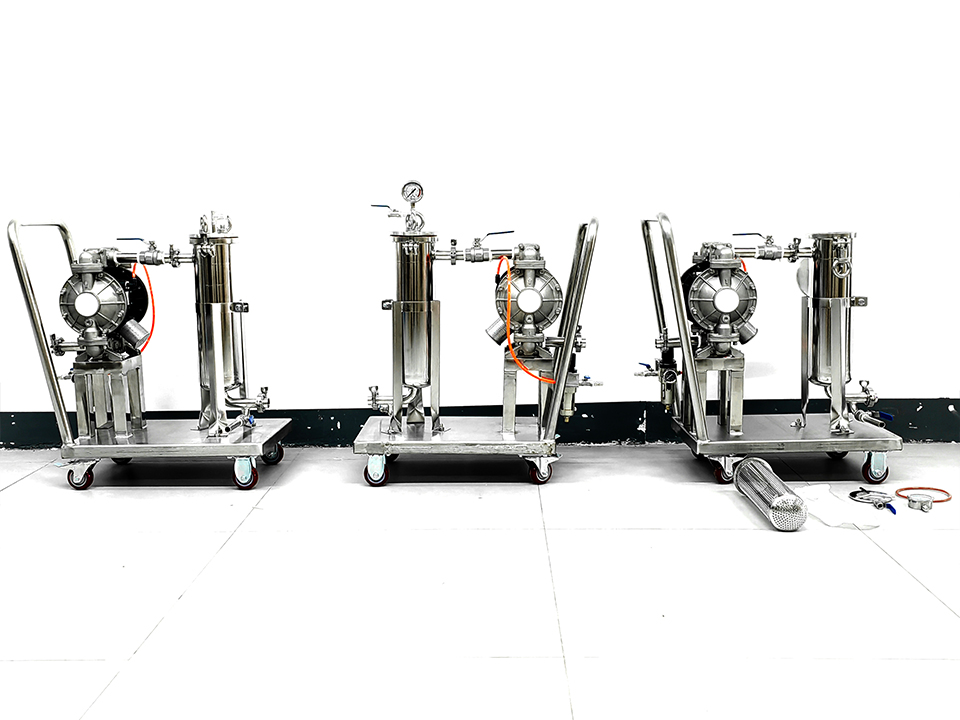
A Hydraulic Oil Filter Cart is a mobile oil-conditioning device that makes use of a pump and filter component to get rid of defined contaminants from hydraulic oil during transfer or recirculation. It enables maintenance teams to condition oil throughout multiple makers without mounting a specialized long-term filtering circuit on every device.
The proper micron rating is the filter component’s particle-capture rating picked to fulfill the system’s cleanliness needs under actual operating problems. Consider the manufacturer’s target, particle-removal performance, flow, thickness, and pressure decline as opposed to picking the tiniest advertised number.
A mobile purification system removes water just when furnished with technology made for the pertinent type of moisture, such as totally free or dissolved water. Standard particulate elements mainly record strong impurities, so water-removal performance should be validated individually.
Oil purification takes as long as necessary to reach the defined tidiness target under real operating conditions. Storage tank quantity, circulation price, first contamination, blending, filter performance, and continuous fragment access all affect therapy time.
One cart can serve numerous systems when its products, seals, pump, hose pipes, and aspects are compatible with the intended liquids. Appropriate transition procedures are likewise required to prevent cross-contamination in between oil types.
Filter aspects ought to be replaced according to the maker’s directions and the defined solution criteria, considering differential pressure, contamination loading, and operating problems. Checking filter problem is extra reliable than relying exclusively on a fixed schedule period.
A mobile filtering cart must solve a specified problem: achieving the needed oil tidiness, managing contamination, or enhancing oil-transfer practices.
Start with the oil kind, tank quantity, target ISO 4406 code, operating temperature, and needed flow rate. Then compare total devices specs, including effectiveness, stress limits, compatibility, and replacement-element availability.
Contact LY Filter to review your filtration needs. Share your operating conditions and contamination-control objectives to help establish whether a typical arrangement or a specialized filtering option is proper.