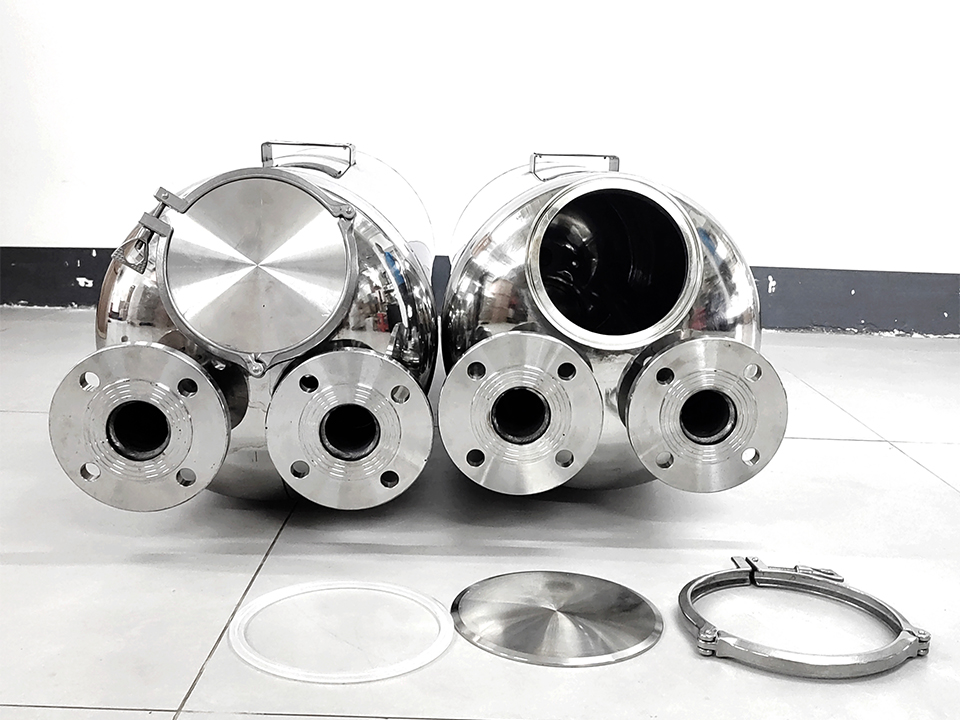
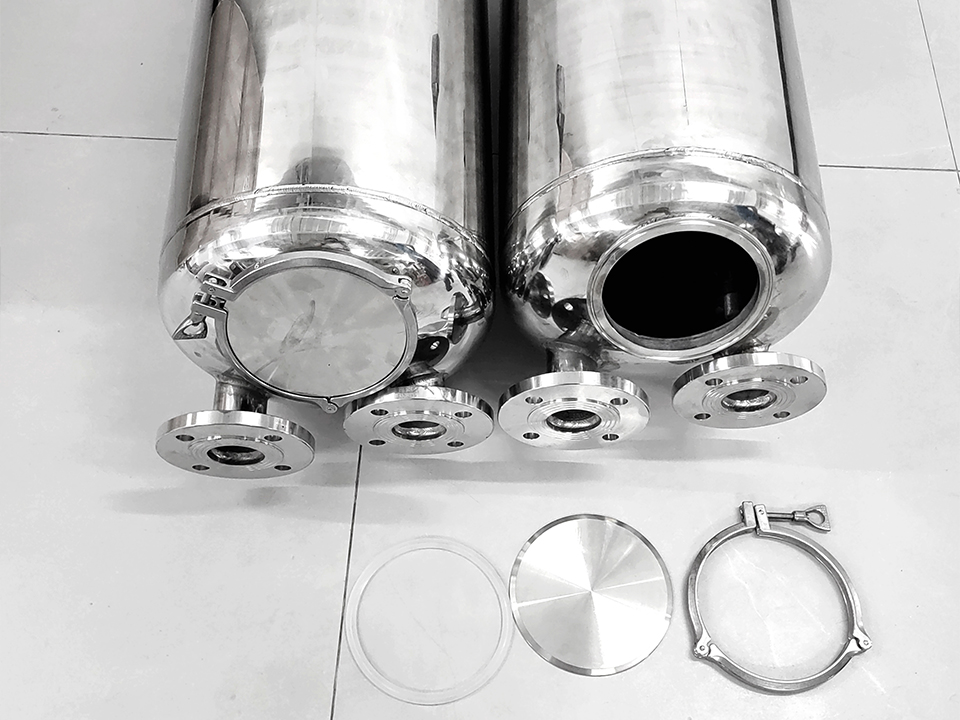
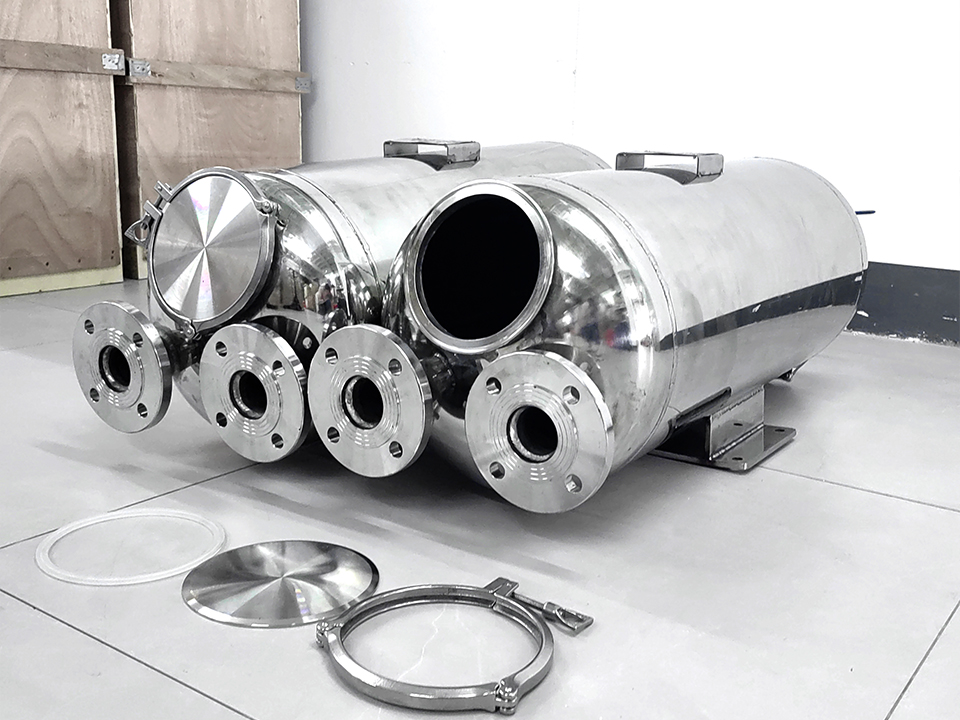
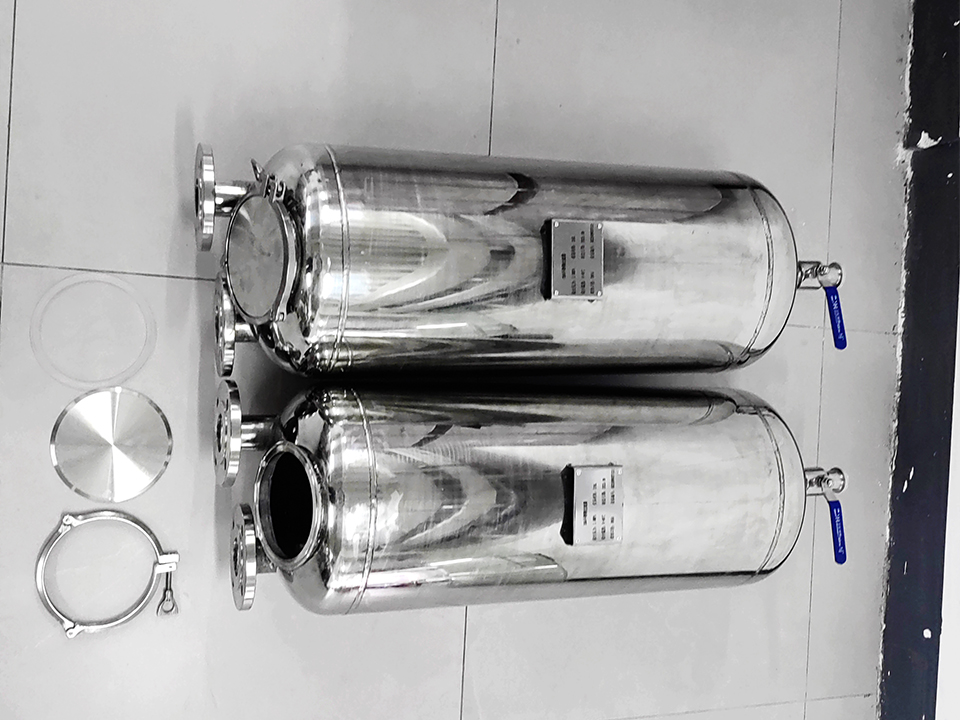
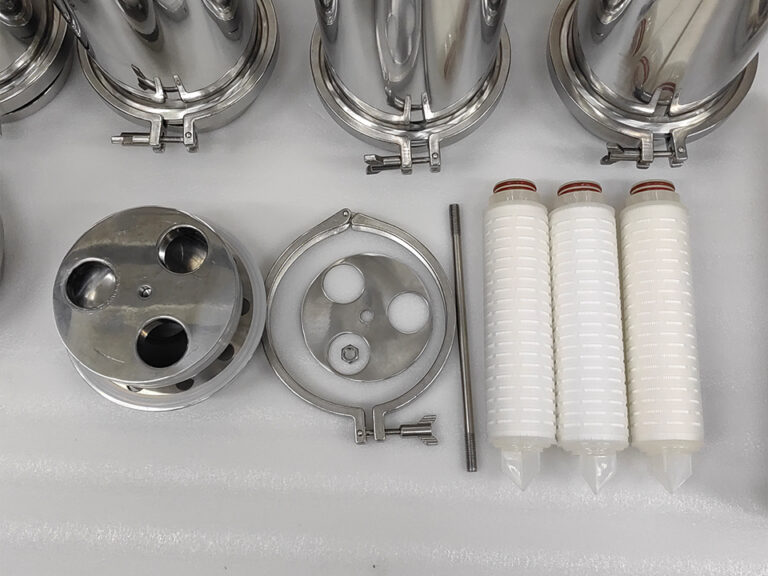
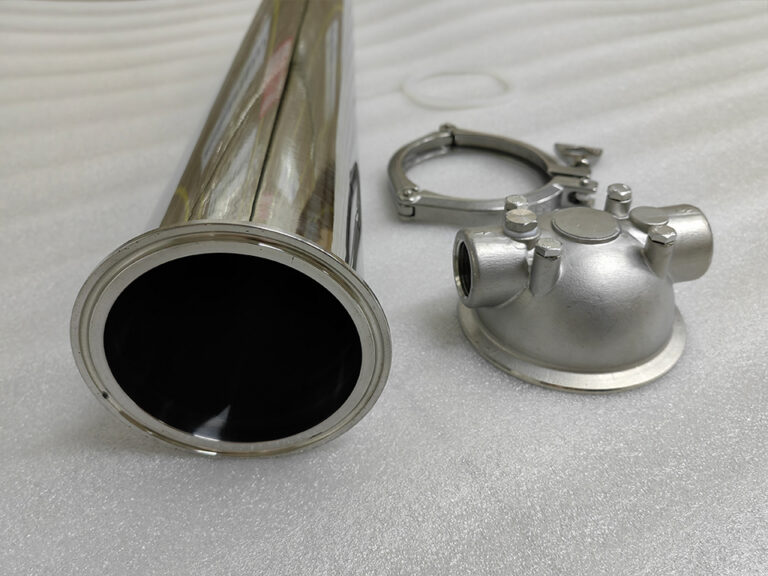
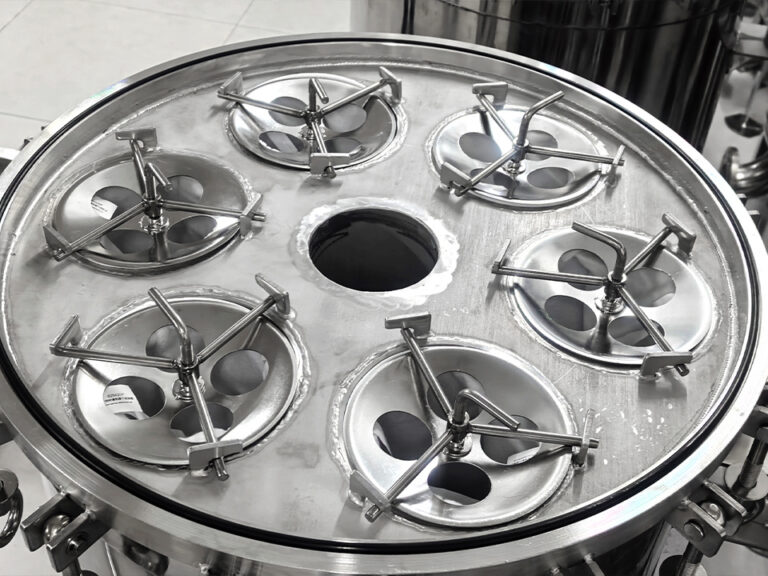
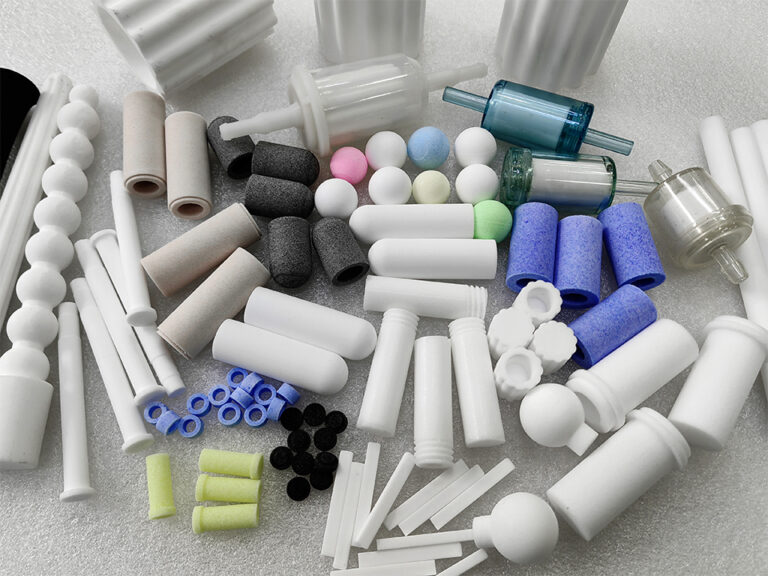
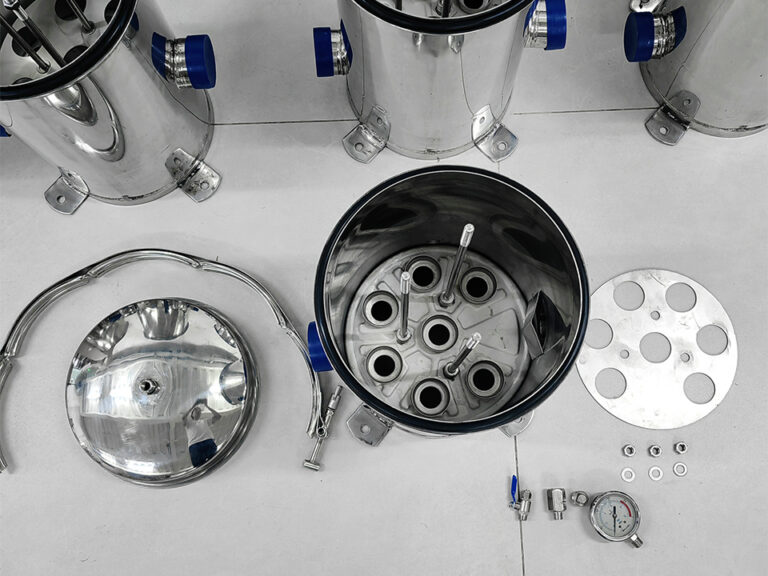
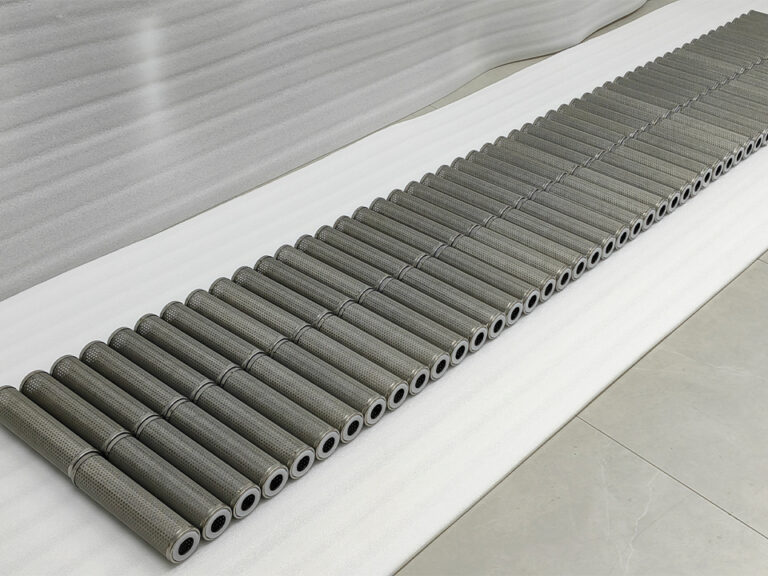
広州立源浄水設備有限公司は2009年に設立された工業用フィルターメーカーで、ステンレスフィルターハウジング、ステンレス無菌水タンク、フィルターエレメント、フィルターバッグ、超高分子材料、焼結フィルター製品を設計、製造している。Lvyuanは、OEM/ODMサポート、ISO9001品質管理、および複数の国の認証のためにバイヤーを選択します。.
Carbon Filter Housing Problems: Channeling, Fines, and DP
The majority of carbon filter housing troubles are not mysterious. They are mechanical.
I know that sounds as well blunt, but the sector loves condemning “negative carbon” because it is psychologically easier than admitting the vessel was undersized, the inlet representative was lazy, the sediment tons was neglected, or the operator treated differential stress like background sound till the scale needle began shouting.
And right here is the uncomfortable component: carbon filters are currently being asked to do heavier work than lots of housings were made for. PFAS stress, taste-and-odor issues, VOC sprucing up, chlorine elimination, organics regulate, and process-water cleanup have pressed granular triggered carbon from “wonderful polishing media” right into regulatory-grade infrastructure. EPA’s 2024 PFAS alcohol consumption water materials list granular turned on carbon, ion exchange, and RO/NF among therapy choices for PFAS removal, while USGS approximated in 2023 that at the very least 45% of united state faucet water might consist of one or more PFAS compounds.
So yes, the carbon issues. But the housing determines whether that carbon makes its income.

The Hard Reality Concerning Carbon Filter Housing Failings
Poor real estates hide.
A carbon filter real estate can look perfectly normal from the outside while the bed inside has currently developed preferential circulation courses, packed areas, penalties movement, dead pockets, or an increasing pressure decrease that informs you the media is no longer behaving like a consistent adsorber.
What does the customer see? Lower flow. Preference grievances. Much shorter life span. Black bits downstream. Pump pressure. A differential stress reading that made use of to sit at 0.2 bar and now creeps toward 0.8, 1.0, or 1.5 bar depending on the system.
What does the supplier sometimes claim? “Replace the carbon.”
That answer is as well low-cost.
If the real estate design is wrong, replacement carbon only resets the failing clock. A better approach starts upstream: debris removal, appropriate flow circulation, clean cartridges, and a housing product that matches the chemistry and stress regimen. In many industrial systems, I prefer to see an appropriately organized pretreatment train using a 5– 10 micron PP debris filter cartridge prior to the carbon bed than watch an additional operator dump expensive GAC into a vessel that is getting mud, rust, scale, and polymer debris.
Channeling: The Silent Carbon Killer
Carrying is when water stops relocating uniformly via the triggered carbon bed and instead reduces a recommended course via the media, minimizing contact time and allowing pollutants to appear early.
It rips off physics.
In an appropriate granular activated carbon filter, water must go through the bed with sufficient empty bed contact time, adequate media deepness, and enough flow uniformity to allow adsorption occur. Yet if the inlet distributor is bad, the bed is irregular, the backwash is weak, the real estate size is wrong, or the circulation rate is pressed beyond design, the water takes faster ways.
Why should you care?
Since turned on carbon is not a magic sponge. It is an adsorptive contactor. EPA defines GAC as a porous adsorption media with high inner surface, yet that area only assists when infected water really get in touches with the media rather than sliding with a hydraulic shortcut.
The classic indicators of activated carbon filter channeling are hideous however recognizable:
The electrical outlet examination shows early contaminant innovation although the bed ought to still have life.
The top of the bed looks disturbed, cratered, or unequal after opening up the vessel.
The differential stress is strangely reduced for the service time since water is bypassing compressed or fouled areas.
The customer grumbles concerning preference, odor, chlorine, VOC, or color returning “prematurely.”
I have a solid point of view here: directing is usually a design-and-operation failure dressed up as a media failing. The carbon gets blamed due to the fact that it shows up. The hydraulic mistake is unnoticeable.

Carbon Fines in Water Filter Systems: Black Dust Is a Warning, Not Aesthetic Dust
Carbon penalties are little turned on carbon bits that escape from the media bed or cartridge and appear downstream as black flecks, gray water, turbidity, or sediment-like residue.
Do not shrug at them.
Fresh GAC often launches some penalties during commissioning, specifically if it was not effectively washed, saturated, or backwashed. That is normal to a factor. Yet repeating fines mean something is grinding, breaking, bypassing, or escaping.
A 2024 study on triggered carbon bit actions located that smaller sized triggered carbon particles enhanced turbidity, which tracks with what drivers see in actual systems: fines are not just “black dust,” they are measurable particle load.
The area causes are normally one of these:
The carbon was over-backwashed and broken.
The underdrain screen or retention aspect is damaged.
The housing does not have correct downstream polishing.
The pump is hammering the bed throughout start-up.
The carbon grade has bad abrasion resistance.
The pretreatment phase stopped working, creating trapped particles to imitate grinding media.
For small industrial or light-industrial systems, I like clear housings because they expose the lie. A small water filter PP cartridge with clear real estate makes upstream dust noticeable prior to it reaches the carbon stage. In larger systems, you need pressure determines, tasting ports, and regimented rinse-to-drain procedures. Checking out the water once a month is not maintenance. It is hope.
Differential Stress: The Gauge That Operators Neglect Till It Prices Money
Differential stress is the stress distinction in between the inlet and electrical outlet of the carbon filter real estate, usually gauged in bar, kPa, or psi to show circulation resistance across the bed or cartridge.
DP is evidence.
A clean carbon filter real estate must have a stable standard pressure decline at a recognized flow price. Not a guessed flow price. A known one. If the system runs at 2 m TWO/ h on Monday and 5 m FOUR/ h on Friday, your pressure drop fad is currently contaminated by bad operating technique.
Carbon filter differential pressure rises when pores, gaps, displays, suppliers, or media rooms clog. It may drop or remain suspiciously low when directing or bypass takes place. That is why DP should read together with circulation, outlet top quality, and service time.
The fastest way to misdiagnose a carbon filter pressure drop trouble is to stare at the scale without asking what changed upstream.
Did raw-water turbidity increase after rainfall?
Was a sediment filter avoided?
Was carbon replaced with a smaller sized mesh size?
Was circulation enhanced to satisfy manufacturing demand?
Was the vessel opened up and rebuilded with a gasket sitting wrong?
Was the electrical outlet screen damaged?
EPA expense and modern technology documents for PFAS treatment review GAC as a packed-bed therapy system, and loaded beds are constantly hydraulic systems before they are chemistry systems. Bed deepness, vacant bed contact time, flow, and media performance sit in one chain; break one link, and the rest ends up being theater.

Why Pretreatment Is Where the Fight Is Won
Pretreatment is not an accessory. It is security.
A carbon filter housing should not be the very first point that sees rust flakes, suspended solids, pipe range, algae pieces, welding debris, or material grains from upstream devices. When that happens, the carbon bed becomes a dust catch first and an adsorber secondly.
And afterwards every person acts surprised when DP increases.
For industrial systems with greater dirt loading, a large-diameter high-flow polypropylene melt-blown cartridge can lower the loading worry prior to GAC. Where metal durability, chemical direct exposure, or stress biking issues, a 304/316 stainless-steel single filter housing is commonly the much more straightforward choice than an affordable plastic vessel pretending to be commercial.
For extreme process streams, sintered metal likewise should have interest. A resilient sintered stainless-steel filter can sit upstream as a multiple-use mechanical barrier, especially where disposable cartridges get punished by temperature, stress, or rough solids.
The regulation is easy: do not ask triggered carbon to do debris filtering as its first work.
The Carbon Real Estate Issue Matrix
| Trouble | What You See | Likely Cause | What I Would Inspect Very first | Actual Fix |
|---|---|---|---|---|
| Triggered carbon filter funneling | Early innovation, reduced removal, irregular bed | Poor flow circulation, negative backwash, extra-large vessel at low flow | Inlet representative, bed surface area, service flow, EBCT | Re-bed properly, proper circulation, enhance supplier, confirm backwash |
| Carbon penalties in water filter electrical outlet | Black specks, gray rinse water, downstream cartridge filling | Poor rinse, carbon abrasion, harmed screen, excessive backwash | Underdrain, outlet display, rinse-to-drain time | Change damaged retention components, include polishing filter, adjustment carbon quality |
| High carbon filter differential pressure | Circulation loss, pump strain, increasing inlet stress | Debris fouling, biofilm, compressed bed, small housing | Upstream turbidity, prefilter condition, mesh dimension | Include sediment stage, backwash if designed, replace media if blinded |
| Reduced DP yet poor electrical outlet quality | Impurities pass through early | Directing, inner bypass, seal failure | Gaskets, center tube, inner seals, bed monotony | Reassemble housing, inspect seals, fix bypass path |
| DP spikes after carbon changeout | Unexpected stress loss after startup | Penalties not flushed, wrong mesh, trapped air | Start-up treatment, fragment size, venting | Slow-moving fill, soak, rinse, air vent, validate carbon spec |
| Brief carbon life | Frequent taste, odor, VOC, or chlorine issues | Taken too lightly pollutant lots, bad contact time, wrong carbon | Influent concentration, circulation, EBCT, bed quantity | Increase bed volume, enhance staging, use lead-lag vessels |

Carrying Is Commonly a Circulation Distribution Crime
A vessel is not immediately a filter. It is only a filter when the fluid circulation is regulated.
That is the component magazine pages rarely confess.
If water goes into a carbon filter housing as a jet, strikes one area of the bed, and exits via the simplest path, the carbon near that path exhausts quick while various other carbon stays underused. In lead-lag systems, this can make the lead vessel look “spent” while the true trouble is hydraulic misuse.
The answer is not always larger housing. Often bigger makes channeling even worse at reduced circulation. Low superficial rate can fail to keep the bed behaving predictably, especially in large vessels with weak distribution. Excessive circulation is bad. Insufficient circulation can additionally misbehave. Annoying? Yes. Real? Also yes.
A specialist design must specify:
Service flow rate in m SIX/ h or GPM
Shallow speed
Bed deepness
Empty bed call time
Carbon mesh size, such as 8 × 30 or 12 × 40
Backwash development target
Inlet and outlet supplier design
Clean-bed DP
Terminal DP
Sampling schedule
Without those numbers, “carbon filter real estate” is simply a metal or plastic container with optimism inside.
Exactly How to stop Transporting in Carbon Filters
To prevent carrying in carbon filters, control inlet distribution, keep circulation within design variety, backwash correctly where suitable, keep adequate bed depth, avoid shock loading, and shield the carbon bed with debris filtering.
Begin boring.
That is my major advice. Monotonous systems work due to the fact that they maintain variables regulated. They have determines installed where service technicians can read them. They use prefilters. They rinse brand-new carbon to drain pipes. They log pressure decline. They sample electrical outlet water before clients whine.
One of the most reliable prevention pile resembles this:
Debris prefiltration prior to carbon
Appropriately sized carbon filter real estate
Slow-moving start-up and full venting
Carbon soaking prior to service
Rinse-to-drain till fines clear
No unexpected pump hammer
DP logging at repaired circulation
Outlet sampling for target contaminant
Lead-lag vessels where advancement danger issues
For water with regular solids loading, an upstream melt-blown PP sediment filter cartridge is not attractive, but it is the component that saves the expensive media. And if the plant requires higher filling capability, utilize a high-flow cartridge format instead of acting a little cartridge can lug an industrial task cycle.
The DP Numbers I Actually Appreciate
The precise appropriate DP depends upon real estate dimension, carbon type, mesh size, temperature, viscosity, bed deepness, and flow price. Yet the fad matters more than one heroic number.
I want 4 analyses:
Clean-bed DP after commissioning
Normal operating DP at common circulation
DP after backwash or cartridge modification
Terminal DP where service is no more appropriate
A sudden increase recommends fouling, compaction, caught penalties, or blocked downstream screens. A steady surge suggests typical loading or sluggish fouling. An unexpected drop with worse outlet top quality suggests bypass or channeling. A DP analysis without flow rate is practically pointless.
Claim it simply: stress decrease is not just a maintenance metric. It is a reality serum.
よくあるご質問
What is channeling in a carbon filter housing?
Directing in a carbon filter housing is irregular water flow with the activated carbon bed, where water forms recommended paths instead of calling the complete media quantity, reducing adsorption time and triggering very early pollutant development even when a lot of the carbon stays unused.
In practice, carrying normally comes from inadequate inlet circulation, incorrect vessel sizing, weak backwash, irregular bed loading, or sudden circulation adjustments. You may see low removal, early odor return, uneven media surface areas, or suspiciously reduced DP despite bad electrical outlet high quality.
What creates carbon fines in water filter outlets?
Carbon penalties in water filter outlets are little triggered carbon fragments that escape from the bed or cartridge as a result of insufficient rinsing, carbon abrasion, extreme backwash pressure, harmed displays, stopped working retention components, or bad downstream polishing after the carbon stage.
A small amount throughout very first startup can be regular. Repetitive black particles are not typical. Check the electrical outlet display, facility tube, gasket position, rinse treatment, pump start-up behavior, and whether the picked carbon quality has sufficient hardness for the obligation.
What is carbon filter differential pressure?
Carbon filter differential stress is the pressure distinction in between the inlet and electrical outlet of the carbon filter real estate, made use of to gauge resistance across the carbon bed, cartridge, screen, and internal circulation course while the system operates at a known flow price.
High DP typically indicates fouling, compressed media, caught penalties, or undersized filtering. Low DP with bad outlet top quality can point to channeling or internal bypass. The number just means something when compared versus clean-bed baseline information at the same circulation.
Exactly how do you minimize carbon filter stress decline?
You minimize carbon filter stress come by decreasing put on hold solids before the carbon stage, using right carbon mesh dimension, sizing the real estate for reasonable flow, avoiding extreme bed compaction, cleansing or replacing fouled prefilters, and confirming that electrical outlet displays are not blocked.
Do not instantly condemn the carbon. Very first check upstream turbidity, sediment cartridges, flow price, shutoff position, display problem, and whether the system was just recently re-bedded. If the pressure decrease transformed after maintenance, suspect assembly or startup before chemistry.
Just how do you protect against transporting in carbon filters?
You avoid transporting in carbon filters by preserving even move circulation, right bed depth, correct solution velocity, managed start-up, full venting, appropriate backwash expansion, and constant pretreatment so the bed does not foul, compact, or type hydraulic shortcuts.
The genuine discipline is dimension. Log flow and DP together. Test electrical outlet water. Examine distributors during shutdown. Change harmed internals. Use lead-lag carbon vessels for sensitive applications where breakthrough has regulatory, product-quality, or customer-risk effects.
When should a carbon filter housing be replaced?
A carbon filter real estate should be changed when its stress ranking, sealing surfaces, threads, inner distributors, displays, rust resistance, or mechanical honesty can no longer support safe, also, and proven flow with the carbon bed or cartridge.
Do not wait for a leak. Real estate failure frequently turns up first as bypass, unsteady DP, penalties get away, distorted seals, or irregular circulation. In commercial water systems, updating to stainless steel or an appropriately rated high-flow housing is frequently more affordable than repeated media failing.
結論
Carbon is costly. Downtime is even worse.
A carbon filter real estate is not just a shell around media; it is the hydraulic structure that decides whether adsorption occurs uniformly, whether fines remain had, whether DP remains predictable, and whether your carbon bed dies early or executes like it was specified to carry out.
My guidance is candid: develop the system around evidence. Set up assesses. Usage debris pretreatment. Track DP at recognized flow. Rinse brand-new carbon effectively. Inspect screens and seals. Stop approving “change the carbon” as a diagnosis.
Need a far better filtering phase prior to or around your carbon system? Begin with the real estate and pretreatment equipment, not the sales brochure. Make use of the best cartridge, the right vessel, and the ideal pressure-drop standard before the carbon ever before sees water.