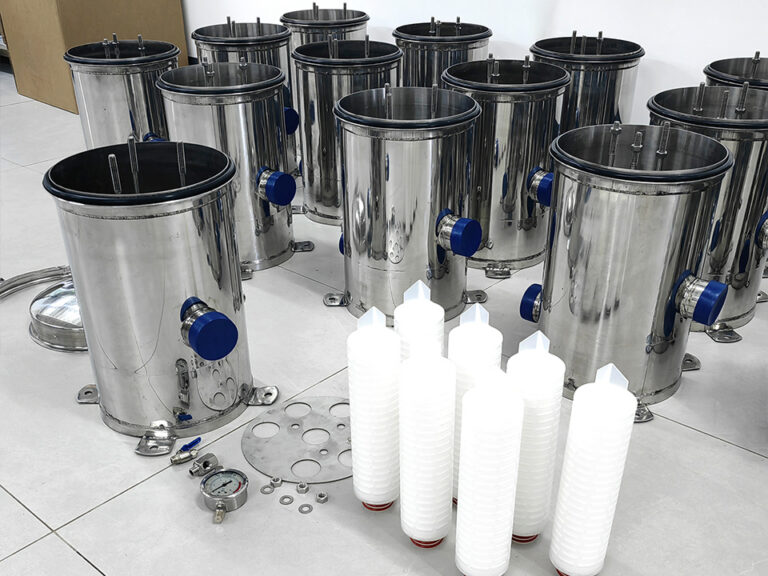
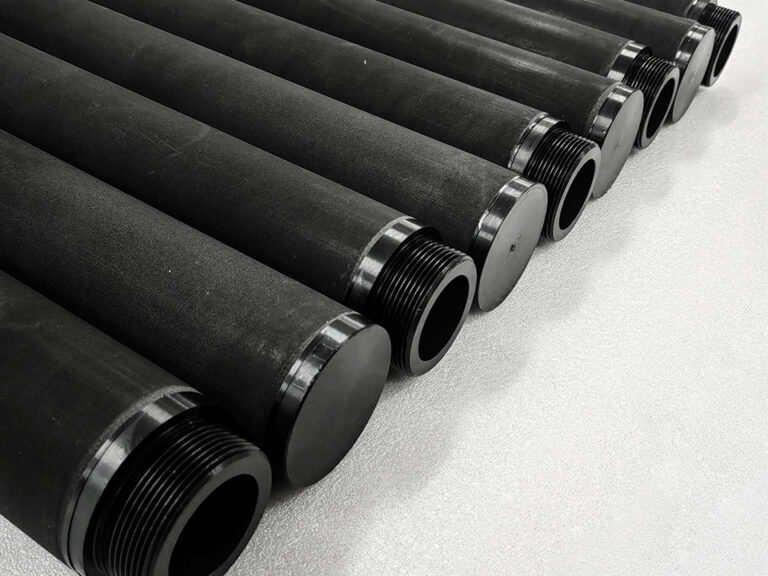
Titanium Filter Cartridge Buying Guide for Corrosive Projects

It is not, which difference matters due to the fact that buyers consistently accept a titanium filter cartridge after checking just the micron score and maximum temperature level, while disregarding acid focus, oxidizing prospective, dissolved fluorides, gasket chemistry, weld quality, differential pressure, and cleansing direct exposure.

What could fail?

Fairly a great deal.

Titanium earns its online reputation from a thin, self-repairing oxide movie that secures the underlying metal in numerous oxidizing and chloride-bearing environments. But minimizing acids such as hydrochloric acid, HCl, and sulfuric acid, H ₂ SO FOUR, can destabilize that defense under the wrong focus, temperature, and oygenation conditions. Commercially pure Grade 2 titanium is not an universal solution to every corrosive fluid.

My candid view is that many fell short acquisitions are not caused by titanium being a poor material. They occur because the purchaser never specified the actual solution.

“Destructive chemical” is not a specification.

Titanium Filter Cartridge Buying Guide for Corrosive Projects

Why a Titanium Filter Cartridge Is Acquired– and Why It Still Fails

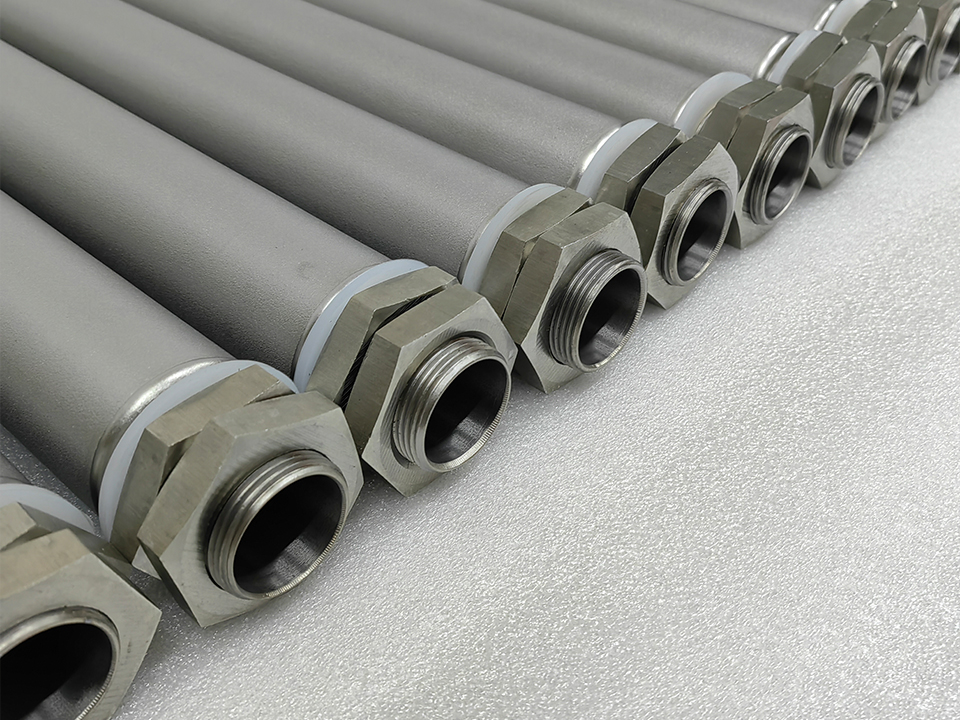
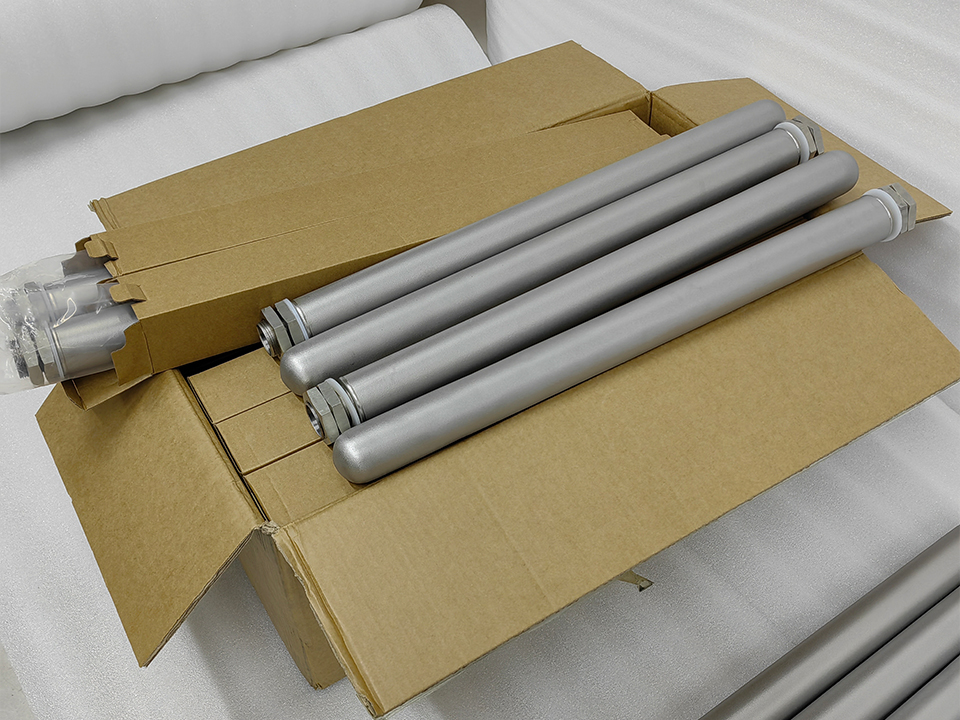
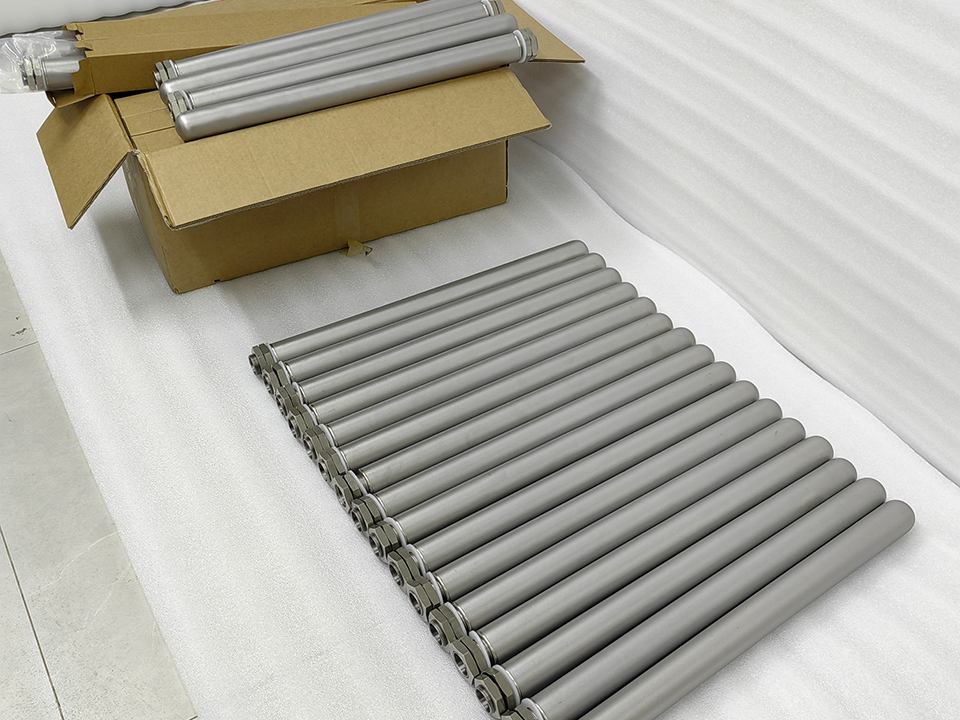
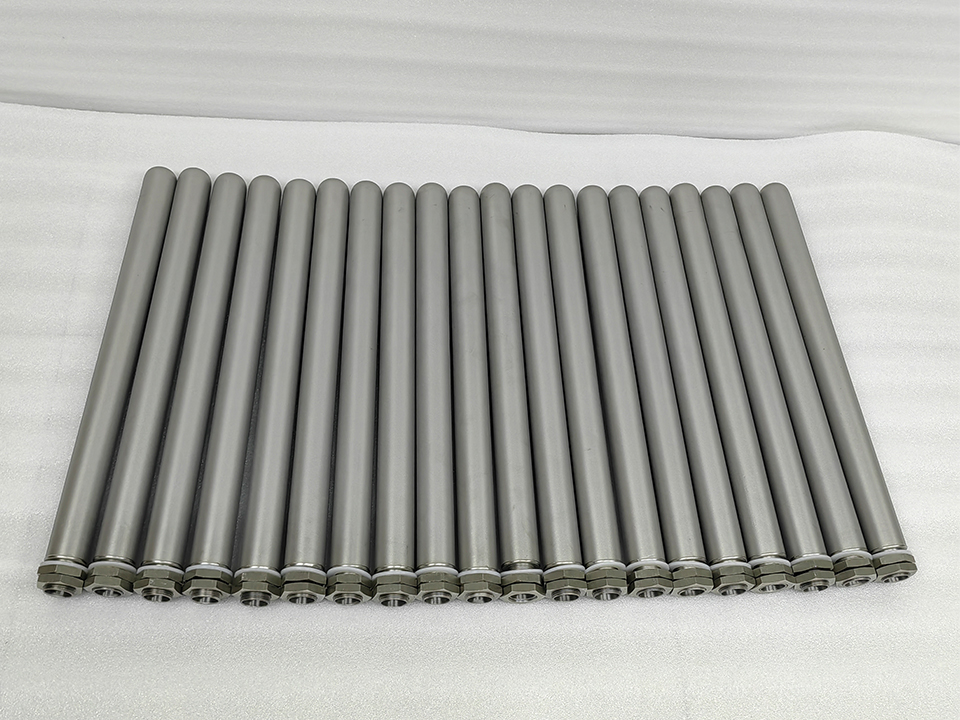
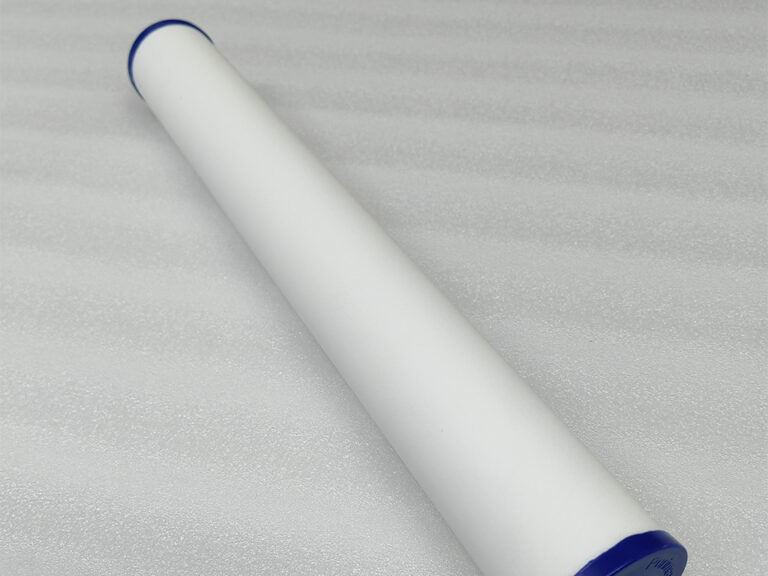
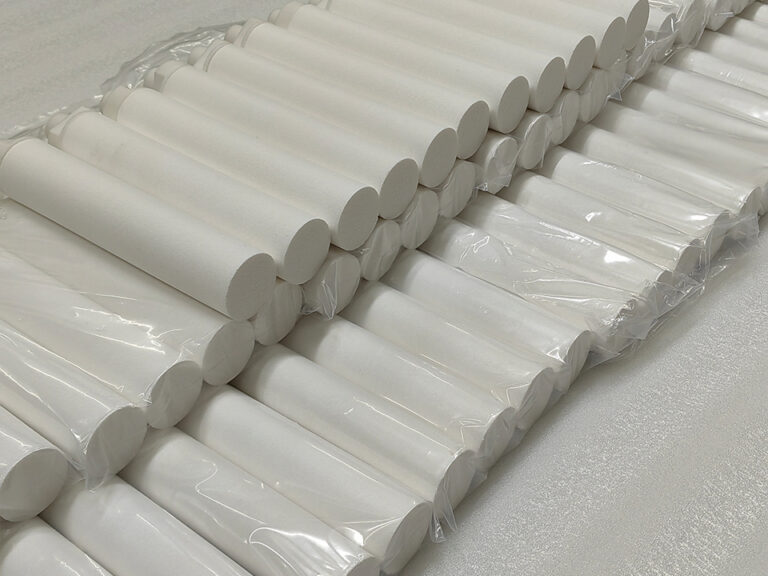
A sintered titanium filter cartridge is produced by compacting titanium powder and bonding the particles via controlled sintering. The result is an inflexible, interconnected porous framework that can retain bits without relying upon loose fibers, adhesives, or a fragile polymer membrane.

That construction makes porous titanium filter cartridges attractive for aggressive fluids, procedure gases, stimulant recuperation, high-temperature streams, cryogenic solution, repeated cleansing, and applications where media migration can not be endured. Industrial porous-titanium systems are particularly marketed for heat, raised pressure, harsh liquids, viscous options, vapor, and repeated backwashing.

But the cartridge is only one part of the stress boundary.

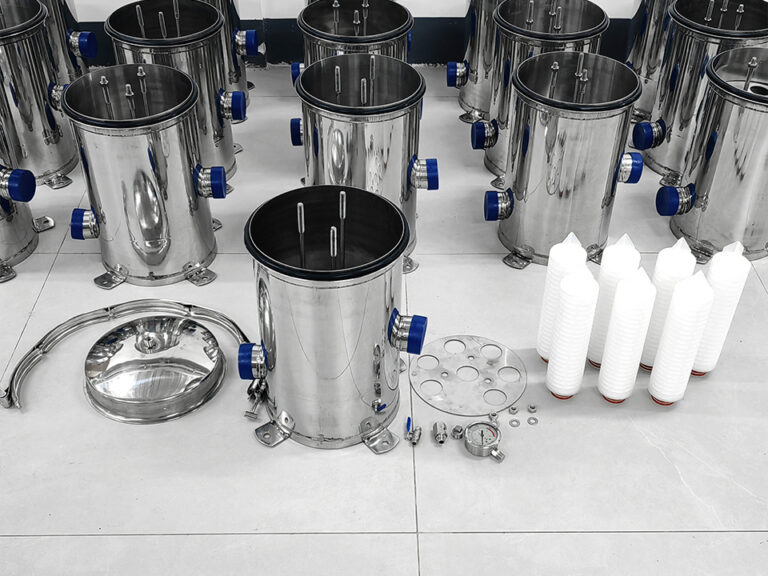
A titanium medium mounted with the wrong O-ring, stainless-steel adapter, incompatible adhesive, unverified weld, or underspecified housing is not a titanium purification system. It is a mixed-material setting up with numerous failing factors.

The market sells the steel. Purchasers must examine the setting up.

That lesson is not academic. On January 23, 2023, a warmth exchanger tear at Honeywell’s Geismar, Louisiana, center launched around 870 extra pounds of hydrogen fluoride and 1,700 extra pounds of chlorine. The reported home damages was about $4 million. An additional HF release at the same facility on June 7, 2024, seriously harmed an employee, making it the third serious HF occurrence there within about three years.

Those incidents were not filter-cartridge failings. They are still relevant since they reveal the same purchase blunder: engineers who concentrate on the called material while ignoring connections, seals, maintenance problems, process modifications, and the total equipment envelope.

Begin With the Chemical, Not the Micron Ranking

When somebody asks me just how to pick a titanium filter cartridge, I would begin with the procedure fluid, not a catalog.

Ask the vendor to evaluate a created chemical-service sheet including:

  • Every chemical part, consisting of trace impurities
  • Regular and optimal concentration by weight
  • Minimum, operating, and dismayed temperature
  • pH throughout startup, production, cleansing, and closure
  • Dissolved oxygen or various other oxidizing agents
  • Chloride, fluoride, bromide, and metal-ion material
  • Solids concentration and particle qualities
  • Anticipated get in touch with time
  • Set or constant operation
  • Cleansing chemicals and sanitization temperature
  • Maximum forward and turn around differential stress

The trace element may manage the decision.

Hydrofluoric acid, HF, is entitled to special treatment because fluoride assaults titanium’s protective oxide movie. A stream explained vaguely as “acidic procedure water” might look acceptable until research laboratory analysis exposes fluoride contamination. Likewise, HCl and H ₂ SO four are reducing acids; Grade 2 titanium can behave very in different ways as concentration, temperature, oygenation, and oxidizing impurities change.

Nitric acid, HNO TWO, chloride salt water, seawater, salt hydroxide, NaOH, and damp chlorine each produce various electrochemical conditions. A one-page compatibility graph can not design every combined stream.

So demand proof.

I would not accept a cartridge based on an eco-friendly checkmark identified “acid immune.” Ask for a rust rate in millimeters each year or mils annually under problems close to your own. Where the chemistry is combined, warm, important, or harmful, run an immersion voucher examination using the actual process fluid and the suggested cartridge alloy.

The tough truth is simple: a $500 laboratory test can be cheaper than one contaminated batch, one closure, or one emergency chemical launch.

Select the Titanium Quality Before the Filter Geometry

“Titanium” is not a grade.

Readily pure Grade 1 and Quality 2 titanium are common beginning points for porous filters since they offer beneficial rust resistance and stay clear of alloying enhancements that may be undesirable in high-purity service. ASTM B348 determines Grade 2 as commercially pure titanium with a minimal supreme tensile stamina of approximately 400 MPa, although cartridge credentials must attend to the porous finished element as opposed to relying just on bulk bar-stock buildings.

For much more aggressive reducing-acid conditions, palladium-alloyed titanium qualities might supply stronger resistance than Grade 2. Quality 7, for instance, has palladium and has actually demonstrated far better performance than Quality 2 in solid HCl, H TWO SO ₄, and oxalic-acid settings.

It likewise sets you back extra.

That premium can be justified when the process chemistry genuinely requires it. It is lost when the distributor can not document the real alloy made use of in the porous body, end fittings, weld zone, and support elements.

依頼内容:

  • Titanium quality and UNS designation
  • Powder chemistry certification
  • Warm or whole lot traceability
  • Optimum iron, oxygen, nitrogen, carbon, and hydrogen content
  • End-cap and adapter material
  • Weld filler product, when appropriate
  • Post-weld cleansing and passivation treatment
  • Positive material recognition records
  • Certification of conformity tied to the cartridge great deal

And enjoy the wording. “Titanium building” may mean only the porous tube is titanium. The threaded adapter might be 316L stainless steel. The facility assistance could be an additional alloy. The seal could be EPDM.

That transforms the chemical compatibility of the whole system.

Choose Pore Dimension by Retention Information, Not Advertising And Marketing Language

A small 1 µm rating and an absolute 1 µm rating are not the very same case.

Nominal ratings typically explain an approximate removal percent under a supplier-defined test. Outright rankings are supposed to show a defined optimum bit dimension or confirmed removal limit, yet the exact examination method still matters. Without the method, difficulty fluid, fragment distribution, circulation rate, thickness, and effectiveness requirement, the number is insufficient.

Very incomplete.

Pore dimension additionally influences permeability, initial stress decrease, dirt loading, cleaning habits, and usable cycle length. Study on porous steel media shows that filtration effectiveness and pressure drop rise as the filter lots, while the physical pore classification alone does not fully forecast fragment penetration.

A practical beginning framework appears like this:

Refine unbiasedNormal beginning rankingKey buying problemMy view
Safeguard pumps or spray nozzles20~50 µmHigh circulation and solids abilityDo not overspecify a 1 µm element
Get rid of visible precipitate5- 20 µmCake launch and backwashabilityPilot-test uneven or gelatinlike solids
Driver or carbon healing1– 10 µmItem return and media retentionNeed recovery-efficiency data
Fine process explanation0.5– 5 µmOutright retention and pressure surgeValidate the test technique
Sterile-process prefiltration0.2– 1 µmBioburden technique and validationTitanium alone does not verify sterility
Gas sparging or diffusion用途特化型Bubble distribution and permeabilityDefine bubble-point performance

Going finer “for security” can produce the contrary outcome. A needlessly limited porous titanium filter may foul rapidly, eat even more pumping power, need hostile cleansing, and reduce the duration between closures.

I would ask for a clean-element pressure-drop contour at a number of flow rates using a liquid with thickness near the genuine procedure. Water data at 20 ° C informs you little regarding a 200-centipoise resin service at 90 ° C. Calculate Flow and Differential Pressure Under Dirty Issues A corrosion-resistant filter cartridge for hostile chemicals still has to pass the called for circulation.

The provider must supply:

  • Tidy differential stress at the layout flow
  • Recommended running change
  • Maximum forward differential stress
  • Maximum reverse differential pressure
  • Collapse or burst examination problems
  • Temperature derating
  • Effective filtering area
  • Permeability or circulation coefficient
  • Preferred incurable differential pressure
  • Backwash stress and flow restrictions

Do not dimension from tidy circulation alone.

Assume the component will gather solids. Then calculate whether the pump, vessel, relief arrangement, and cartridge can tolerate the pressure increase prior to the cleansing trigger is reached.

For example, a tidy cartridge operating at 0.15 bar differential pressure may look comfortable inside a 6-bar system. But if the process group intends to run up until 2.5 bar, execute nitrogen blowback at 4 bar, and reveal the element to a thermal cycle from 25 ° C to 180 ° C, the tidy number is nearly unnecessary.

And reverse stress matters.

A rigid sintered body may make it through repetitive backwashing, however welds, threaded ends, adapters, gaskets, and unsupported sizes should likewise endure the reversal. Request cyclic screening instead of a single static burst figure when frequent regrowth is part of the operating plan.

Titanium Filter Cartridge Buying Guide for Corrosive Projects

Suit the Seals, End Fittings, and Housing

Here is the tough fact: the most inexpensive element can beat the most pricey steel.

EPDM may function well in several water, caustic, and polar-chemical solutions however choke up with particular hydrocarbons and solvents. FKM, frequently connected with the Viton trade name, provides broad chemical and temperature level resistance but is not instantly suitable for every amine, ketone, vapor, or caustic condition. PTFE has wide resistance, yet sealing habits, cold flow, surface area finish, and compression still need attention.

Define the specific elastomer compound, not simply the household name.

“FKM O-ring” is incomplete because compound solution, treatment system, solidity, fillers, and temperature rating can transform efficiency. The provider ought to recognize the manufacturer, compound code, Shore A firmness, regulatory condition, and examination documentation where product purity matters.

End connection geometry likewise affects integrity. Typical setups include DOE, threaded ends, and 222 or 226 O-ring adapters with flat or fin closures. Check whether your real estate seats, springtimes, blade edges, and securing surface areas match the proposed cartridge.

Wacker Polysilicon’s hydrogen chloride incident is a grim pointer that mechanically mishandled corrosion-service equipment can come to be dangerous. 7 workers were exposed during the November 13, 2020, launch; one passed away and three endured major injuries. The CSB’s last report, launched June 15, 2023, identified equipment crack and maintenance-control failures around the HCl solution.

A cartridge order can not take care of process-safety monitoring. However a self-displined requirements can protect against one more undocumented material, overtightened joint, or inappropriate connection from entering the system.

Contrast Titanium With PP, 316L, and Greater Alloys

Titanium is occasionally the proper response. In some cases it is a pricey diversion.

Filter materialStaminas無力感Best-fit service
Sintered titaniumStiff, cleanable, recyclable, heat-resistant, solid in many oxidizing and chloride atmospheresVulnerable to fluoride and some warm minimizing acids; greater purchase expenseCorrosive fluids, gases, driver recovery, repeated cleaning
Polypropylene deepness mediaInexpensive, high dirt capacity, broad efficiency in water and suitable chemicalsReduced temperature level and stress limitations; typically non reusableEnergy water, RO pretreatment, sacrificial prefiltration
316L stainless-steelCommonly available, strong, weldable, economical compared with titaniumChloride matching, crevice deterioration, and stress-corrosion issuesModerate chemical solution with validated compatibility
ニッケル基合金Solid resistance in picked extreme acid and chloride conditionsHigh expense, alloy-specific restrictions, supply complexityWarm combined acids or problems outside titanium’s risk-free envelope
PTFE-based mediaBroad chemical resistanceMechanical assistance, creep, leaks in the structure, and temperature-cycle concernsFine filtration of very reactive fluids when properly sustained

For high-solids streams, I typically favor a staged system rather than forcing the titanium element to capture everything.

Where chemistry permits it, an upstream 5-micron polypropylene industrial water filter can work as a low-cost sacrificial obstacle prior to the more pricey metal phase. The detailed product uses polypropylene media, offers numerous adapter and seal choices, and specifies an optimum differential stress of 3.5 bar at 20 ° C, with an operating-temperature figure around 82 ° C. Those restrictions have to be derated versus the real chemical.

For variable pilot work, a custom 1, 5, or 10 micron spun PP cartridge with optional stainless-steel core may assist figure out which retention level protects the titanium phase without creating excessive pressure loss. The page provides personalized scores from 1 to 100 µm, numerous end arrangements, and an 80 ° C operating limit.

For much heavier debris, a grooved PP deepness prefilter readily available in 1, 5, 10, and 25 micron setups can increase the beneficial surface of the sacrificial stage. But I would maintain it out of straight aggressive-acid solution unless the supplier has actually validated the complete chemical, temperature level, and stress envelope in writing.

For fine, non-corrosive utility-water sprucing up, a custom 1-micron PP melt-blown debris cartridge might be economical. It ought to not exist as an alternative for permeable titanium in warm HF, concentrated lowering acids, or various other solutions outside polypropylene’s validated compatibility range.

The factor is not “titanium versus polypropylene.” The better concern is where each material belongs in the process.

Audit the Distributor Before Releasing the Purchase Order

The very best titanium filter cartridge for harsh chemicals is not the one with the highest possible temperature level printed on a webpage. It is the cartridge sustained by the toughest evidence for your specific operating envelope.

I would certainly send out every shortlisted vendor the same technological survey.

Request these records:

  1. Dimensioned cartridge drawing
  2. Titanium quality and product certification
  3. Powder-lot traceability
  4. Nominal and outright retention interpretations
  5. Bubble-point or leaks in the structure test
  6. 整然とした圧力損失等高線
  7. Forward-collapse and reverse-pressure data
  8. Weld credentials and assessment method
  9. Chemical compatibility declaration linked to your procedure sheet
  10. Cleansing and regeneration treatment
  11. Maximum variety of validated cleaning cycles
  12. Extractables or sanitation data where relevant
  13. Food, pharmaceutical, or semiconductor documents when required
  14. Product packaging and contamination-control procedure
  15. Service warranty exemptions

After that ask an uneasy question: what evidence would certainly cause the vendor to turn down the application?

A serious maker will certainly determine restrictions. A weak seller will certainly call every little thing suitable.

That is just one of my best purchasing signals.

For life time cost, compare the installed system rather than the cartridge rate. An illustratory calculation may contrast a $750 titanium component cleaned up 12 times at $45 per cleansing against thirteen $95 disposable cartridges plus closure labor, waste handling, and shed manufacturing. Those numbers are hypothetical, however the approach is sound:

Complete lifecycle price = purchase price + cleaning + labor + downtime + disposal + yield loss + threat allowance

A titanium cartridge does not need to be more affordable on the first day. It needs to be financially and technically far better over the verified solution duration.

Titanium Filter Cartridge Buying Checklist

Prior to providing an order, verify every product below:

  • Exact chemical make-up and concentration array
  • Operating, cleansing, and distressed temperatures
  • Titanium quality and traceability
  • Fluoride and reducing-acid direct exposure
  • Nominal versus outright micron rating
  • Required retention performance
  • Clean and unclean differential pressure
  • Forward and reverse pressure limitations
  • Cartridge dimensions and real estate fit
  • End fitting and support-core products
  • O-ring substance and temperature score
  • Weld and joint assessment
  • Cleansing chemistry and regularity
  • Acceptable recurring contamination
  • Examination certifications linked to the manufacturing great deal
  • Substitute or regrowth trigger
  • Disposal and operator-exposure strategy
  • Pilot-test acceptance requirements

Miss one, and the quote is still incomplete.

Titanium Filter Cartridge Buying Guide for Corrosive Projects

よくある懸念事項

チタンフィルターカートリッジとは何ですか?

A titanium filter cartridge is a stiff, porous filtering component made from titanium powder or another titanium framework that gets rid of bits from liquids or gases while resisting warm, mechanical stress and anxiety, duplicated cleaning, and many corrosive atmospheres better than conventional disposable media.

Many industrial products make use of a sintered, interconnected pore network. They are generally chosen for driver recovery, chemical explanation, vapor, gas therapy, high-purity production, and procedures where fiber launch or frequent cartridge disposal is inappropriate.

What is the most effective titanium filter cartridge for harsh chemicals?

The best titanium filter cartridge for destructive chemicals is the element whose alloy quality, pore ranking, welds, seals, end installations, stress capacity, and cleaning approach have actually been validated versus the precise chemical focus, temperatures, pollutants, and operating cycles of the proposed procedure.

There is no universally ideal model. Grade 2 may appropriate for one chloride stream and inappropriate for a warm decreasing acid. Fluoride contamination can transform the final thought completely.

Is Grade 2 titanium resistant to hydrochloric acid?

Grade 2 titanium has limited, condition-dependent resistance to hydrochloric acid because HCl is a minimizing acid that can destabilize titanium’s protective oxide layer as focus and temperature increase, especially when the option does not have oxidizing species that help preserve passivity.

Do not authorize Grade 2 from the chemical name alone. Demand corrosion information at your maximum HCl concentration, temperature level, oygenation level, direct exposure time, and contamination account. Grade 7 or another alloy might be required.

Can a porous titanium filter cartridge be cleaned up and reused?

A permeable titanium filter cartridge can generally be cleaned and reused because its sintered metal framework is rigid sufficient to tolerate suitable backwashing, ultrasonic cleansing, chemical soaking, or thermal therapy when those procedures stay within the aspect’s confirmed pressure, temperature level, and corrosion limits.

“Recyclable” does not imply indefinite. Track clean-flow recuperation, bubble factor, differential pressure, visual problem, dimensional modification, and cycle matter. Replace the aspect when validated acceptance limits are no longer met.

Just how do I select the right micron score?

The best micron score is the coarsest validated rating that regularly achieves the required bit retention, product top quality, devices defense, or driver recuperation while preserving acceptable stress decline, circulation, cleansing frequency, and life span under practical process problems.

Do not choose 1 µm just since it sounds much safer than 5 µm. Run a retention and loading trial with representative solids, viscosity, temperature, and circulation.

Are polypropylene cartridges ideal prior to a titanium chemical filter?

A polypropylene cartridge can serve as a cost-effective upstream prefilter before a titanium chemical filter when the polypropylene media, core, end caps, seals, temperature level rating, and stress ranking work with the actual liquid and when the prefilter will not release contaminants right into the downstream process.

This staged approach can decrease solids packing on the titanium component. It should not be used to conceal unresolved chemical compatibility or to put PP straight in a solution that exceeds its validated limits.

Titanium Filter Cartridge Buying Guide for Corrosive Projects

Send the Chemistry, Not an Unclear RFQ

A helpful quote starts with evidence.

Provide the liquid make-up, concentration varieties, normal and dismayed temperature levels, needed circulation, particle circulation, target retention, housing measurements, differential pressure, cleaning sequence, connection kind, and seal preference.

Then demand a written action covering titanium grade, chemical compatibility, pore-rating approach, stress efficiency, traceability, and expected cleaning life.

Buy the information initially.

The cartridge follows.

コメント