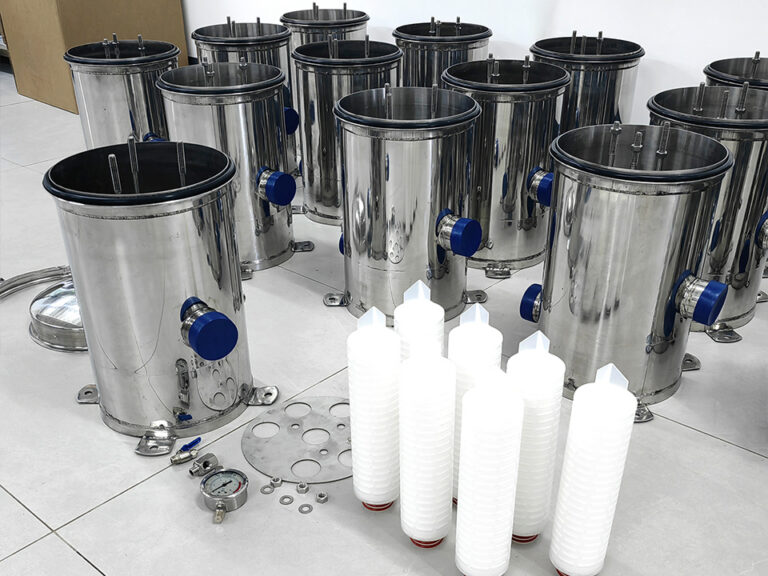
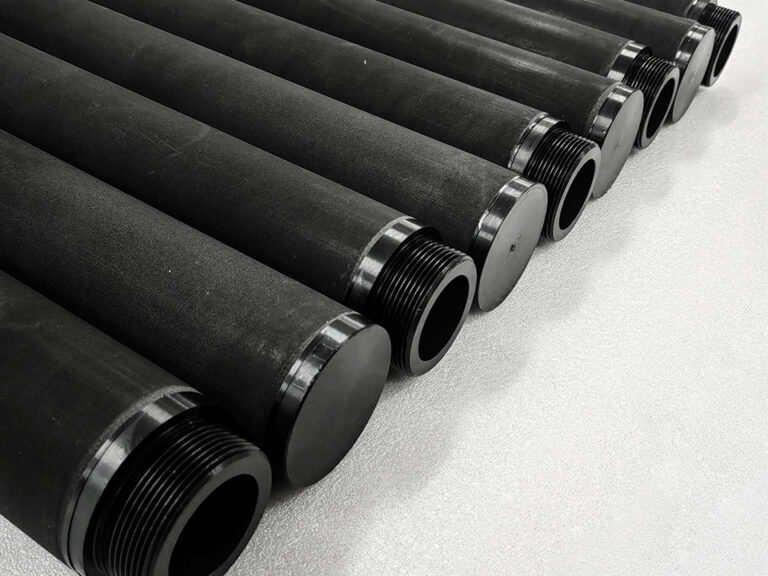
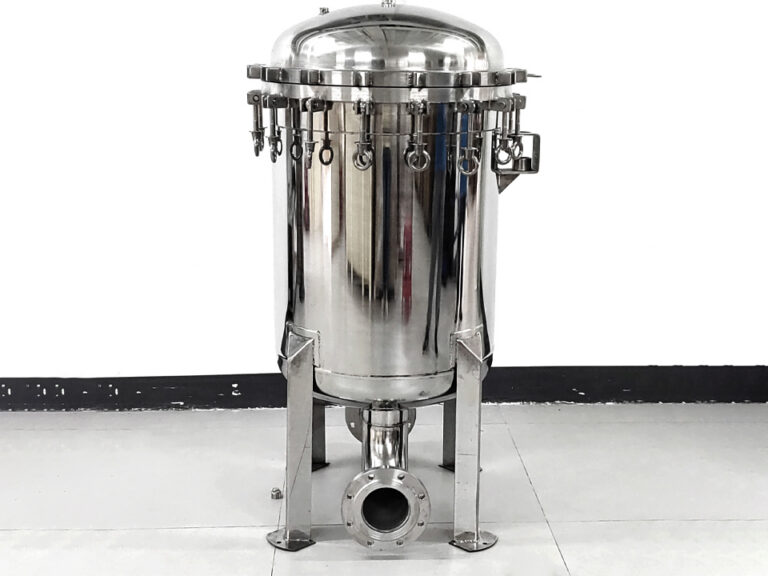
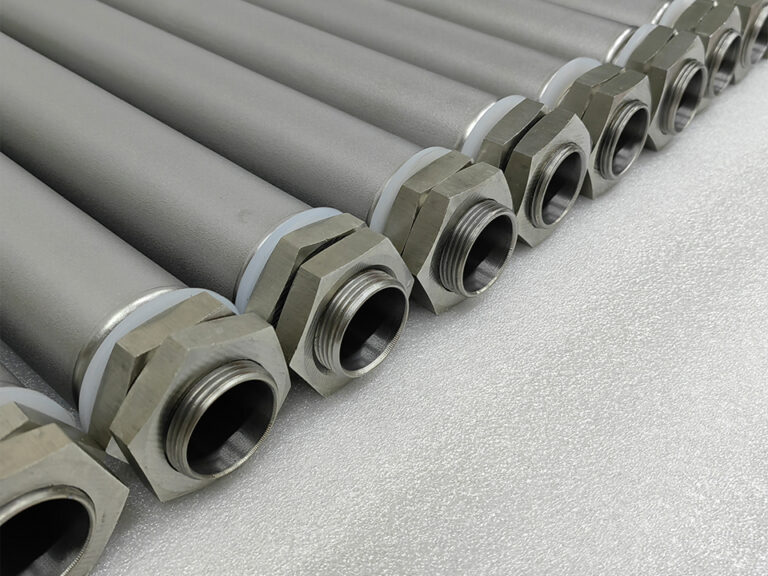
広州立源浄水設備有限公司は2009年に設立された工業用フィルターメーカーで、ステンレスフィルターハウジング、ステンレス無菌水タンク、フィルターエレメント、フィルターバッグ、超高分子材料、焼結フィルター製品を設計、製造している。Lvyuanは、OEM/ODMサポート、ISO9001品質管理、および複数の国の認証のためにバイヤーを選択します。.
広州立源浄水設備有限公司.
2009年開始

多くのお客様が、カートリッジフィルターやバッグフィルターに対して厳しい性能評価を行っています。.
本気です。調達チームがフィルター部品で8%のコスト削減に成功したものの、その後、交換作業の人件費の増加、圧縮空気の消費量、圧力損失、不良品の発生、 早期の目詰まり、そして、保守スタッフが最終的に集塵装置が数週間も正常に作動していなかったことを認めた、あの極めて高額な月曜日の朝――といった要因によって、その「コスト削減分」を3ヶ月で使い果たしてしまうのを目にしてきました。.
安物ほど音が大きい。.
しかし、公正なベンチマークとは、コストを負担する業者を過度に称賛することでもありません。それは、見積もりを「1ドルあたり」「稼働時間あたり」「1立方メートルあたり」「土1キロあたり」「ΔP曲線あたり」、そして「メンテナンス作業1回あたり」といった単位で測定可能な作業量に分解することです。そうでなければ、一体何を比較していることになるのでしょうか?
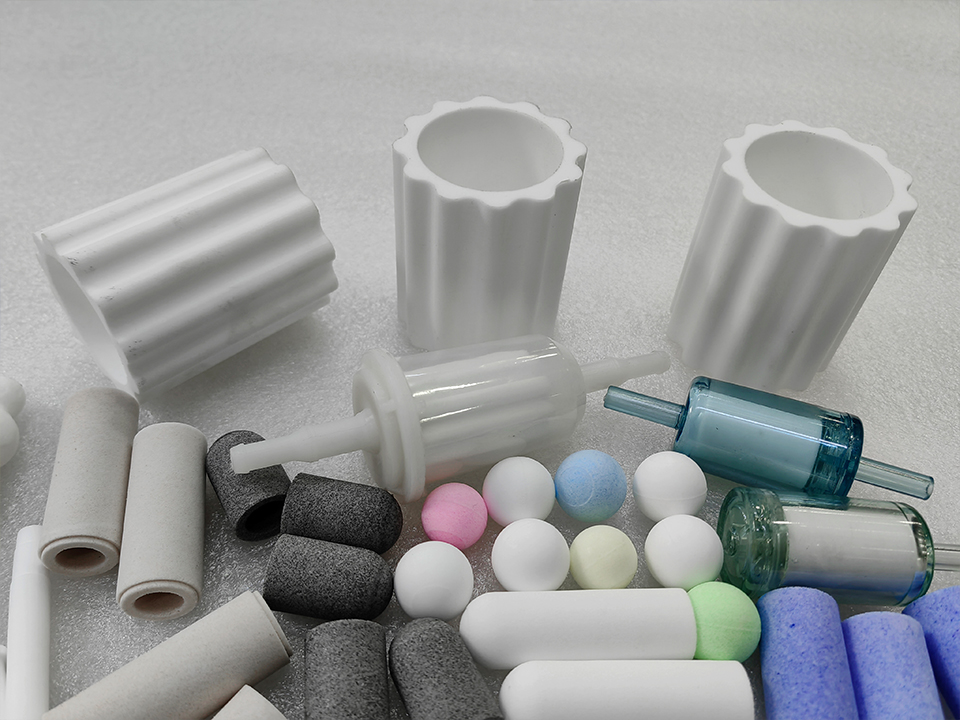
この表現 カートリッジフィルターとバッグフィルターの比較 一見シンプルそうに見えるが、実はそうではない。.
カートリッジフィルターは、一般的に小型で表面積が大きく、プリーツ式または深層式のものが販売されています。 フィルターバッグは通常、低コストで流量が大きく、耐久性に優れた「頼れる働き者」として売り込まれています。これは販売パンフレット上の説明です。実際の現場では、その実態はもっと複雑です。スペースの制約、微細なろ過、迅速な交換が求められる場面ではカートリッジが優位に立ち、重い固形物、バッチごとのばらつき、エレメントコストの低さが求められる場面ではバッグが優位に立ちます。.
「1個あたりのコスト」からは、事実上何も読み取れません。.
$4.80カートリッジは、19時間で交換が必要になると、コストがかさむ可能性があります。 $21フィルターバッグは、4倍の汚染物質を捕捉でき、ドライバーがシフトの半分を犠牲にすることなく交換できるため、コストを抑えることができます。また、集塵、特にパルスジェット式洗浄においては、重要なのは購入コストだけではありません。圧力損失の推移が徐々に重要になってくるのです。.
そこが、人々がだまされてしまうところなのです。.
サプライヤーは、価格提示の際、できるだけシンプルな数値で製品を提示します。「1個あたり」、「10インチ相当あたり」、「1袋あたり」、「1回収集あたり」、「1平方メートルあたり」、「1ミクロンスコアあたり」といった具合です。バイヤーは、見事に整列した表を好みます。しかし、真のろ過性能は、そう簡単に整然と並べることはできません。.
カートリッジフィルターの処理能力の比較やフィルターバッグの処理能力の比較を依頼する前に、その作業内容を物理的な観点から明確に定義してください。.
流体の浄化に関しては、循環速度、粘度、温度、ロット番号、化学的適合性、目標ミクロン等級、ハウジングの形状、交換のしやすさ、およびフィルターが膜、ノズル、ポンプ、材料層、滅菌工程、あるいは最終製品のいずれを保護しているかについて知りたい。.
粉塵の収集に関しては、風量、粉塵の種類、粒子径分布、湿度、オイルミスト、爆発の危険性、清掃サイクル、排出先、バグハウスの形式、および利用可能なファンの馬力を知りたい。.
ほんのわずかな違い? いいえ。.
ROの前段で使用される5ミクロンのPP沈殿カートリッジは、粗い小麦粉、セメント、木材の粉塵、あるいは金属微粉を扱う集塵用バッグとは、厳密には同じ問題を抱えているわけではありません。もし御社の内部比較表でこれらを「フィルター消耗品」として扱っているなら、それは事実とは異なります。.
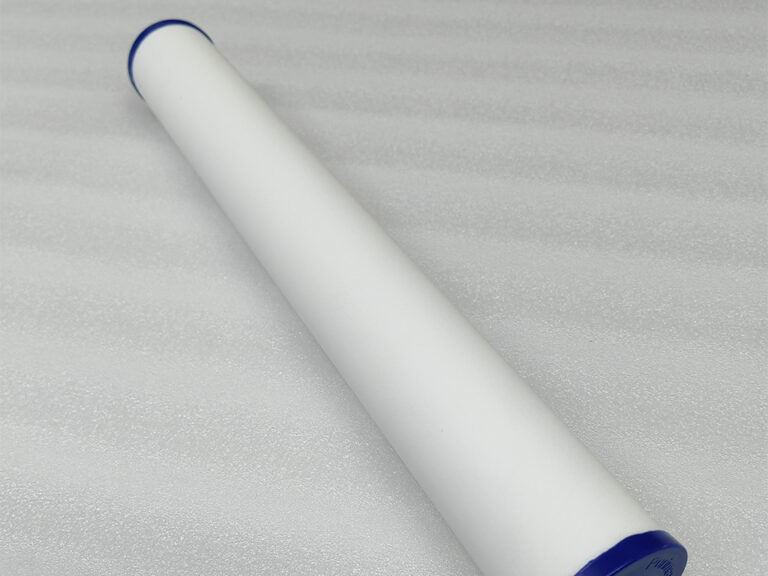
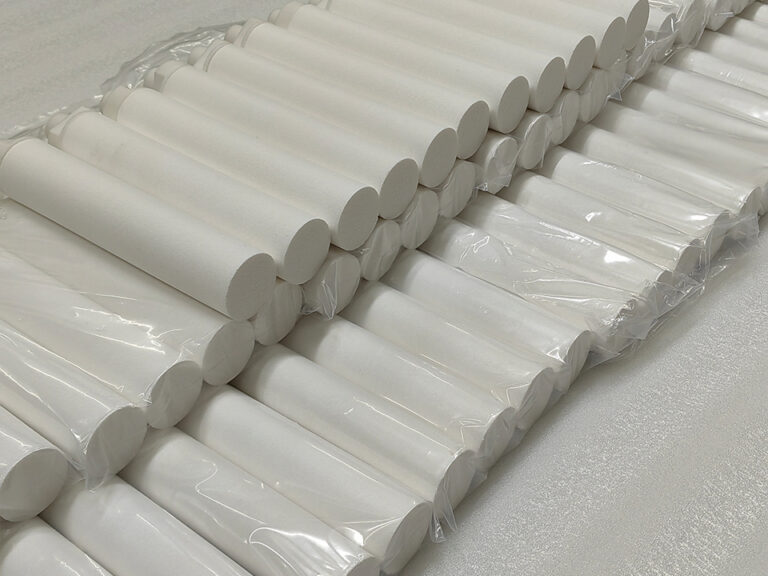
水の予備ろ過に携わるお客様の場合、標準的な見積書では、次のような基本的なメルトブローポリプロピレン製の製品オプションを区別して記載する必要があります。 家庭用および業務用向けのPP解凍紡糸フィルターカートリッジ 次のような、より厳格な使用状況から、例えば 5ミクロンPP微細ゴミ用フィルターカートリッジ. 若い顧客の目には、この2つの商品は似たようなものに見えるかもしれません。しかし、実際に使用してみると、その挙動は異なります。.
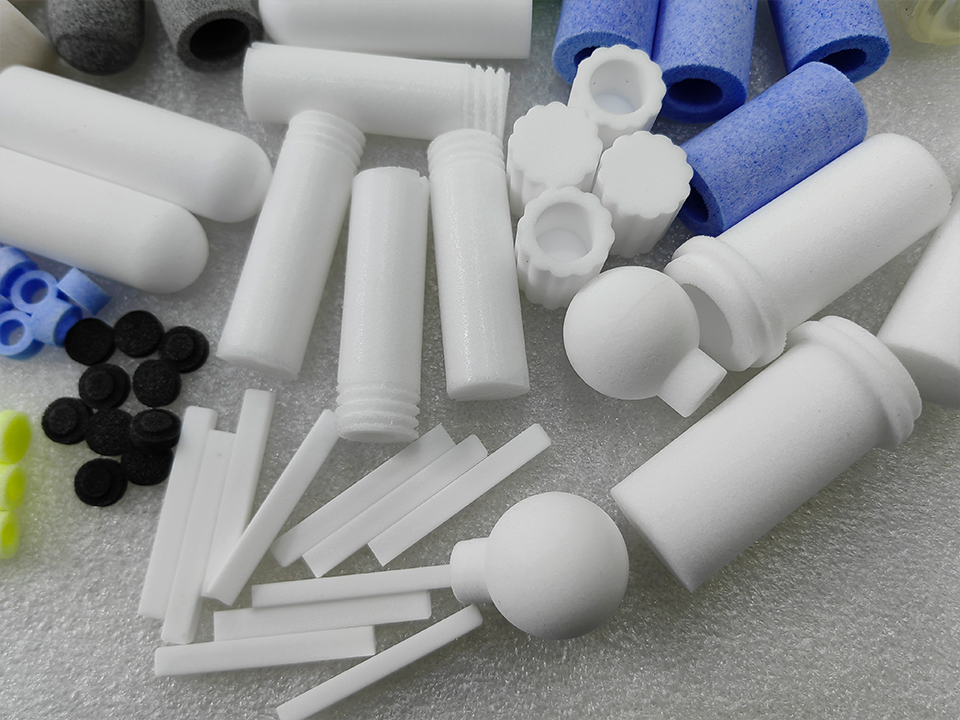
誰かが~を求めてきたときに、私が利用している構成は以下の通りです。 カートリッジフィルターとバッグフィルターのコスト比較.
システムの処理速度をベンチマークしないでください。基準 実効ろ過時間あたりの費用 そして 捕捉された汚染物質1つあたりの費用.
これを活用してください:
実際の浄化費用 = 資材費 + 人件費 + エネルギーコスト + ダウンタイム費用 + 廃棄費用 + 故障リスク費用
その後、その数を以下のいずれかで割ります:
運行時間 処理済みの総発行部数 捕捉された汚れや固形物 バッチ処理が完了しました 受入製品数量
ここで、力のないプロバイダーたちは苦境に立たされることになる。.
ベンダーが、試験済みの流量、推奨される交換用差圧、メディア製品、ミクロン定格の測定方法、温度範囲、シール材、および取り付け抵抗を提示できない場合、その見積価格は基準とはなりません。それは単なるおとりです。.
「ストレス・ドロップ」は、この業界で好まれるサプライズ請求の手法だ。.
初期段階では経済的であっても、差圧が急速に上昇するカートリッジやバッグは、ポンプ、ファン、またはコンプレッサーに過度な負荷をかける可能性があります。圧縮空気システムにおいて、米国エネルギー省はかねてより、圧力需要の増加が電力消費量の増加に直結する可能性があることを指摘してきました。 2024年においても、電力に関する公開データは、商業ユーザーの間で依然として地域ごとの料金格差が大きいことを示しており、これは、不適切なフィルターの選定が、電力料金の安い州よりもニューイングランド地方において、より大きな損害をもたらす可能性があることを示唆しています。.
フィルター自体は高価ではありませんでした。高価だったのはシステムの方です。.
だからこそ、起動時のΔP、負荷後のΔP、および推奨される交換係数をお伺いしたいのです。単なる圧力損失の数値だけでは、単なる見せかけに過ぎません。その推移のグラフが欲しいのです。.
PPによる水ろ過については、aと比較して 10ミクロン 解凍ブロー成形PPフィルターカートリッジ スプレッドシート上の漠然とした「10ミクロン」というラベルではなく、実際の浮遊固形物量に基づいて比較する必要があります。微細なランク分け、絶対的な評価、深さ方向の負荷、表面負荷、および媒体の厚さの勾配など、これらすべてが計算式に影響を与えます。.
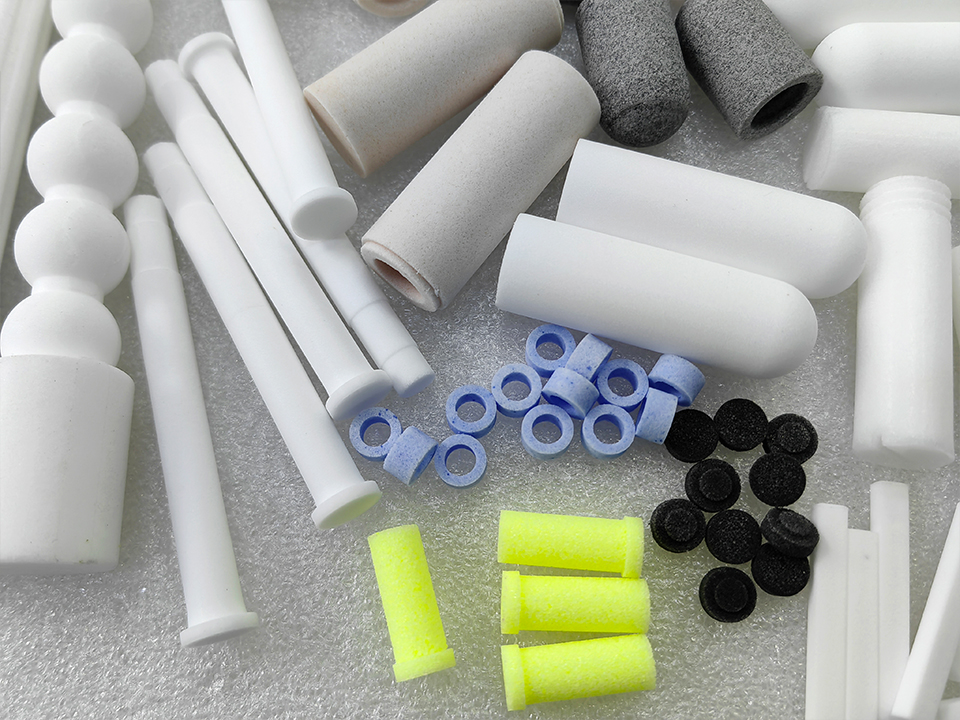
カートリッジは、サイズ、外形寸法、内径、ミクロン数、エンドキャップ、ガスケット、メディア、コア、使用温度といった明確な仕様が定められているため、比較検討しやすいようです。.
しかし、危険な要素は「画一性」である。.
20インチ、5ミクロンのPPカートリッジ2種類であっても、重量、繊維の結合状態、厚さの傾斜、汚染物質保持能力、潰れ強度、熱的特性、およびシール品質には違いが生じ得ます。実際に、「サンプルが白くてきれいだった」という理由だけで、顧客が安価なカートリッジを採用してしまうケースを目にしたことがあります。それは品質管理ではありません。単なる色合わせに過ぎないのです。.
妥当なカートリッジのベンチマークには、以下の要素が含まれていなければなりません:
| 基準変数 | 何を依頼すべきか | なぜ価格を調整するのか |
|---|---|---|
| マイクロン・スコア | 小点数または絶対点数、試験の取り組み方 | “「5ミクロン」は必ずしも比較可能とは限らない |
| 長さ | 10、20、30、40インチ、またはオーダーメイド | 部品の長さを長くすることで、交換回数が減る可能性がある |
| メディアの重量 | 10インチ換算あたりのグラム数 | 土壌保持力と頻繁に関連付けられる |
| シール材 | シリコーン、EPDM、NBR、バイトン | 化学的および温度的適合性 |
| エンドキャップ | DOE、222フラット、222フィン、226レベル、226フィン | 適合性の欠如はベンチマークを台無しにしてしまう |
| ΔP等高線 | 整頓と詰め込みによるストレスの軽減 | 電力コストと寿命は、これにかかっている |
| 交換係数 | 推奨差圧 | 誤った「長寿命」のケースから保護します |
| ロット間の一貫性 | 重量、寸法、および流通公差 | 一貫性の欠如が調達上の混乱を招く |
1つのジョブで多数の寸法が必要な場合は、通常のディレクトリサイズと比較して、 10、20、30、40インチのメルトブロー式カートリッジをご用意しています 特注品を購入する前に。特注品は便利ですが、仕様を不注意に決めてしまうと、かえってコストがかさむことにもなりかねません。.
フィルターバッグは通常、最初の見積もり段階で選ばれることが多い。.
これらは扱いやすく、使い慣れているうえ、一般的にカートリッジよりも1つあたりの価格が安いです。そのため、調達会議では問題になりがちです。というのも、スプレッドシートを管理している担当者が、ハウジングの清掃やウェットバッグの引き上げ、汚泥の処理、あるいは下流の設備が汚染された理由の解明といった作業を行う担当者とは限らないからです。.
バッグフィルターのベンチマークでは、以下の項目を記録しなければならない:
| 価格は変動します | バッグフィルターに関するお問い合わせ | 調達上の脅威 |
|---|---|---|
| バッグの素材 | PP、PE、ナイロン、PTFE、アラミド、ガラス繊維 | 不適切な媒体は、化学的または熱的な要因により機能しなくなる |
| リング型 | プラスチック、スチール、縫製、溶接 | シール不良によりバイパスが発生する |
| 表面積コーティング | 焼成、釉薬掛け、膜コーティング | 粉塵の放出とケーキの挙動の調整 |
| 固形物負荷 | kg/日またはg/m²。この単位価格は、汚れの蓄積という現実を無視している。 | |
| 交換作業費 | イベントあたりの所要時間(分) | 労働力が購入価格を上回る |
| 廃棄時の重量 | 湿重量または乾重量 | かさばる固形物が予想外の廃棄物処理費用をもたらす |
| 危険を回避する | ハウジングのシールと袋の適合性 | たった1か所の漏れでも、下流の機器に悪影響を及ぼす可能性があります |
紛れもない事実:首周りのフィット感が不十分な安価なバッグは、フィルターではありません。それは単なる布切れに過ぎません。.
ダストコレクター用フィルターバッグの価格設定は、液体用バッグの価格設定とは異なります。これは独自のモデルに分類されます。.
集塵システムにおいては、空気対フィルター比、洗浄能力、フィルターバッグの耐用年数、排気性能、ダストケーキの剥離性、耐摩耗性、湿潤時の挙動、火花への曝露、および可燃性粉塵の危険性を重視しています。 2023年にOSHAが可燃性粉塵の取り締まり方針を改定したこと、および2023年12月のディディオン・ミリング社との和解($1.8百万の罰金が科され、穀物取り扱い設備および集塵機フィルターに関する安全対策の改修が求められた)は、ある一点を明らかにしているはずです。すなわち、フィルターの選定は単なる調達上の問題ではないということです。 これは、コンプライアンス上の要件となる可能性があるのです。.
それは単なる誤植ではありません。調査報告書にはそう書かれているのです。.
安価すぎる集塵バッグの場合、そのコスト削減分が、縫製の品質、フィルター材のコーティング、膜の耐久性、接地性能、あるいはパルス洗浄後の性能低下といった点に反映されている可能性があります。フィルター材の重量、処理方法、構造、カラーの設計、使用温度、および予想される洗浄回数などが明記されていない見積もりには、私は一切納得できません。.
投資マネージャーに議論をさせる前に、私が提示する実務上の対比は以下の通りです。.
| 基準の分類 | カートリッジフィルター | フィルターバッグ | 公正な購入者がすべきこと |
|---|---|---|---|
| 初回使用時の最高の印象 | より明確な仕様、持ち運びに便利なデザイン、SKU管理が容易 | システムコストの削減、使い慣れたスタイル | 最初の見積もりだけで決めないでください |
| 代表的なメリット | 携帯可能な範囲における表面積の拡大 | 高固形分物質の取り扱いと簡単な交換作業 | 処置トン数に応じた給付額 |
| 隠れた費用 | 早期の目詰まり、コアの靭性の不足、シールの不均一性 | バイパス、湿式処理時の重量、作業時間 | 手順の変更頻度 |
| 最高の統計データ | 1,000リットルあたり、またはろ過1時間あたりの費用 | 記録された、または設定が完了した固形分1kgあたりの費用 | 見積もりを作成する前に、指標を1つ選択してください |
| エネルギーへのエクスポージャー | ポンプの応力上昇、循環の制約 | ブラインドが発生した場合のポンプ負荷またはフォロワー負荷 | 時間に対するΔPの推移 |
| 調達上の問題点 | すべてのミクロン定格を同等とみなす | 袋単位での購入のみ | 試験情報および寸法の提出が必要 |
| それを選んだときは | RO前処理、優れた沈殿物除去、ポータブルシステム | 高固形分、セットジョブ、粗めの仕上げ | 汚染状況に基づいて選択する |
この表は意図的に率直にまとめています。寿命の要素が含まれていない限り、冷却時間の比較は通常、誤ったものになってしまいます。.
医療従事者を不安にさせるような引用集が好きだ。.
各ベンダーに対し、すべて同じ商品ではなく、同じ運用シナリオについて見積もりを依頼してください。その際、以下の項目を含めてください:
材質:PP、PE、ナイロン、PTFE、ガラス繊維、アラミド、またはステンレス支持材を使用した建築・建設用 ミクロン値:1、5、10、20、50、100ミクロン(定格方式による) サイズ: 10、20、30、40インチ、またはカスタマイズ シール:EPDM、シリコーン、NBR、 バイトン 温度範囲:通常および最高 流量:目標値およびピーク値 交換ΔP:ベンダーの推奨 予想耐用年数:時間、バッチ数、または数量 最小注文数量(MOQ):実際の最小注文数量 リードタイム:製造期間+配送期間 不適合条件:寸法またはシール欠陥に対する代替品提供方針
その業務が水治療であり、仕様がまだ流動的な場合は、次のような汎用性の高い製品群を検討するとよいでしょう。 1、5、10ミクロンのPPメルトブロー式集塵カートリッジ(カスタマイズ品). 。慣例上、すぐに「はるかに優れている」と連想されるわけではない。というのも、妥当な基準を定めるには、価格の話し合いに入る前に、寸法、ミクロン単位の規格、エンドキャップ、材質などを検討する必要がある場合があるからだ。.
まず第一に: 稼働時間あたりのコスト.
第二に: 圧縮差圧.
第三に: フィルターの性能が基準に達しない場合の費用負担.
最後のケースこそ、大人が関与してくる場面です。フィルターが、$70,000 RO膜層トレイン、塗装ライン、医薬品のバッチ処理、食品グレードのプロセス、あるいは可燃性粉塵集塵装置を保護する場合、最も安い見積もりが、その施設において最もコストのかかるものになる可能性があります。.
カートリッジフィルターやフィルターバッグの価格ガイド資料の中には、下流側のリスクについて一切触れていないものを見かけたことがあります。私はそういう資料は捨ててしまいます。.
はるかに適切な判断基準は、「どのフィルターがより手頃な価格か」ということではありません。それは、「どのフィルターが、必要な除去効率、流量の安定性、安全性と安全余裕、およびメンテナンス間隔を、検証済みの最低総コストで実現できるか」ということです。“
さまざまな質問。これにはきちんと答えたほうがよい。.
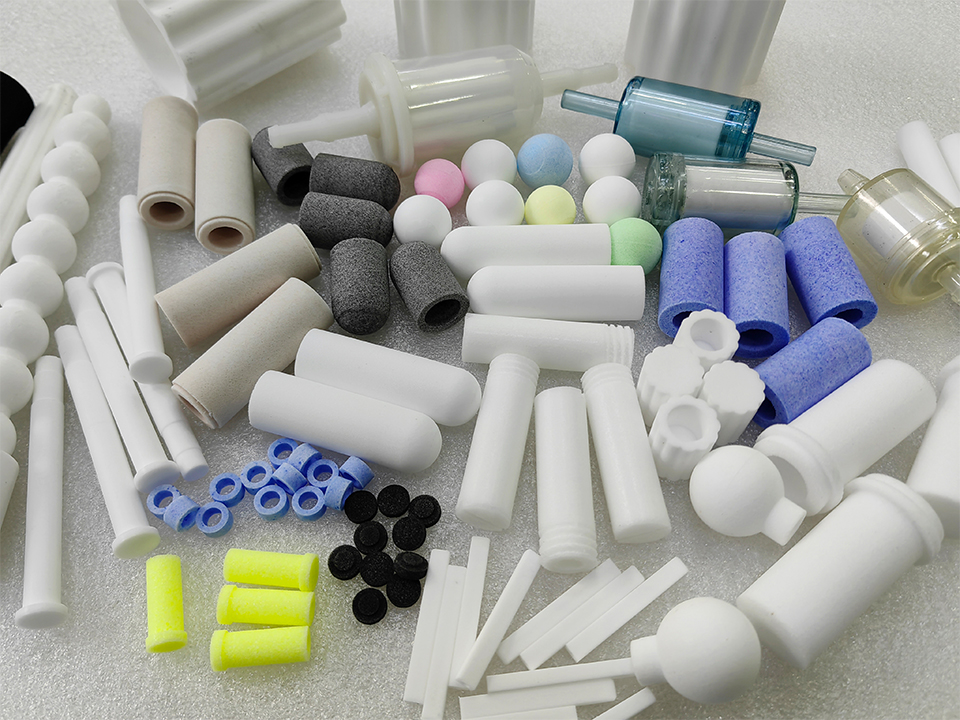
より厳密な制御、ポータブルな設置、再現性のあるミクロン単位の選定、およびエレメントの取り扱いにおける清潔さが求められる場合、カートリッジフィルターが一般的に適しています。.
RO、DI、UFの前処理、飲料水の味を整える処理、充填ライン、電子機器用水、および基本的な前ろ過における不純物除去には、PPメルトブローカートリッジが合理的な標準選択肢となります。製品の見積もりを比較検討する顧客は、次のような選択肢を綿密に検討する必要があります。 割引価格の10インチおよび20インチ、5ミクロンPPメルトブローカートリッジ 重量、エンドキャップ、寸法、および交換時の負荷を確認した直後。.
割引そのものが問題なのではありません。割引率が不明確であることが問題なのです。.
フィルターバッグは、通常、固形分含有量が高く、操作の柔軟性があり、交換が容易な場合に適しています。.
これらは、塗料、材料、冷却液、食用油、廃水からの副産物、原油の予備ろ過、および数多くの定型プロセスにおいて、非常に有望な選択肢です。集塵分野では、適切なろ材が選択され、集塵装置のレイアウトが適切な洗浄を可能にする場合、バッグフィルターは極めて優れた性能を発揮します。.
しかし、バッグフィルターは、サイズ選定を怠ると問題が生じます。小さすぎると、プラント側で絶えず交換することになります。また、緩すぎると、バイパスが実質的なフィルターとなってしまいます。安価すぎると、縫い目やリングが故障の原因となってしまいます。.
| スコアの場所 | 重量 | カートリッジフィルターの評価 | フィルターバッグの評価 | 注記 |
|---|---|---|---|---|
| デバイスレート | 10% | ベンダーからの意見 | サプライヤーからの意見 | これだけは絶対に肥満にならない |
| 寿命 | 20% | エリアテスト | 実地試験 | 稼働時間またはバッチ数 |
| ストレスは安定性を低下させる | 20% | ΔP曲線 | ΔP等高線 | 地下にはエネルギーの脅威が潜んでいる |
| 労働問題 | 15% | 分/交換 | 分/交換 | 閉店時間を記載する |
| フィルタリングの信頼性 | 20% | 撤去データ | 淘汰データ | バイパスリスクを伴う |
| 廃棄費用 | 5% | 種目ごとの体重 | 種目ごとの体重 | 湿った固体物質 |
| 販売代理店の一貫性 | 10% | QCのお得な情報 | QCのお得な情報 | 不良ロットによる損害の削減 |
この記入を拒否する業者からは購入しません。.
カートリッジフィルターとバッグフィルターの価格を比較する最も適切な方法は、システム単価ではなく、有効な処理システム1台あたりの総ろ過コストを算出することです。どちらの選択肢がより低コストかを判断する前に、部品代、人件費、圧力損失によるエネルギーコスト、ダウンタイム、廃棄費用、故障リスク、および実際の耐用年数を考慮に入れる必要があります。.
端的に言えば、「カートリッジ1個」と「バッグ1個」を対比させるのはやめましょう。それぞれのフィルターがプロセスにおいてどのような処理を行うかを比較してください。あるカートリッジが交換までに30,000リットルを処理し、あるバッグが90,000リットルを処理する場合、システムコストの欄は実質的に意味をなさなくなります。.
カートリッジフィルターは、人件費、電力費、ダウンタイム、廃棄処理費などを含めた1稼働時間、1バッチ、または精製量あたりの総コストが低くなる場合に限り、フィルターバッグよりもコスト効率に優れています。多くのシステムでは、カートリッジは1個あたりのコストは高くなりますが、耐用年数の長さ、取り扱いの清潔さ、あるいはより厳格な浄化性能といった点で優位に立つことがあります。.
安易な答えは「バッグの方が手頃だ」というものだ。多くの場合、それは事実だが、不完全な見方でもある。高価な下流の機器を保護するカートリッジは、たとえ請求価格がさらに高く見えても、かえって手頃な選択肢となり得るのだ。.
フィルターバッグの価格は、フィルター材の種類、リングの形状、ミクロン定格、縫製方法、表面処理、耐熱性、耐薬品性、および粉塵や液体の負荷量など、さまざまな要因が製造コストに影響を与えるため、変動します。安価なバッグは妥当な選択肢となるかもしれませんが、それはそのバッグが設置場所、プロセスの化学的特性、および固形物の特性に適合している場合に限られます。.
価格差が最も大きいのは、通常、メディアと構造に起因しています。PPやポリエステル製のバッグは、PTFE膜、アラミド、ガラス繊維、あるいは特殊な帯電防止型集塵バッグとは価格設定が異なります。顧客は、単にバッグそのものではなく、その構造を比較検討する必要があります。.
カートリッジフィルターの見積りを承認する前に、ミクロン等級、ろ材、サイズ、外形寸法、内径、エンドキャップの種類、ガスケットの材質、使用可能温度、許容差圧、推奨交換間隔、ろ材重量、梱包数量、最小注文数量(MOQ)、リードタイム、および利用可能な流量試験や負荷試験に関する情報をすべて確認してください。.
PPメルトブローカートリッジについても、同様に10インチあたりの重量(グラム)で表示してほしい。というのも、同じミクロン値が表記された2つのフィルターでも、厚さや汚れの保持能力が異なる場合があるためだ。安価で軽量なフィルター材は、交換頻度が増えるまでは一見魅力的に見えるかもしれない。.
ダスト処理用フィルターバッグの価格を比較する際には、空気対布の比率、圧力損失、洗浄サイクル、バッグの耐用年数、排気効率、粉塵の種類、火災やサージのリスク、およびメンテナンス作業量を考慮した上で、稼働時間あたりの総コストを基準とする必要があります。特にパルスジェット方式や可燃性粉塵を扱うシステムにおいては、装置価格のみを基準にすると誤解を招きやすいものです。.
汚れが不快なもの、湿っているもの、油っぽいもの、温かいもの、あるいは可燃性のものである場合、不適切なフィルターバッグを使用すると、バッグの請求書に記載された金額よりもはるかに高いコストが発生する可能性があります。曖昧な低価格の見積もりに賭けるよりは、実績のあるフィルターバッグに多少高くても費用を払うほうが賢明です。.
産業用ろ過のコストベンチマークにおいて最大の過ちは、まず運転条件を統一せずに、各販売業者の価格を比較してしまうことです。カートリッジフィルターやバッグフィルターの価格比較が意味を持つためには、流速、固形分濃度、粘度、温度、化学的性質、目標ろ過精度、設備の仕様、許容圧力損失、および交換基準などがすべて同一でなければなりません。.
だからこそ、購買部門は「コストを削減できた」とよく考える一方で、保守部門は知らず知らずのうちにコストを浪費してしまうのです。スプレッドシートには「承認済みの一致」と記載されていましたが、実際のプロセスではそうではなかったのです。.
ここで、私の率直なアドバイスをお伝えします。.
ごく小規模なエリアテストを実施してください。同じハウジング、まったく同じ空気循環、まったく同じ汚染負荷、まったく同じフィルター交換ガイドライン、そしてまったく同じ駆動タイミングを使用します。ΔP、寿命、不合格率、メンテナンス時間、廃棄重量、およびベンダー間の均一性を追跡します。その後、総コストを算出してください。.
それは妥当な基準ですね。.
異物除去、RO前処理、水処理、または工業用流体のろ過用にPPメルトブローカートリッジを調達する場合は、最も安価な大まかな見積もりを追いかけるのではなく、まず標準型およびカスタマイズ型のカートリッジ候補について、実際の仕様を比較することから始めましょう。 重要な見積依頼(RFQ)を行う際は、価格について話し合う前に、販売代理店に対し、完全な寸法、ミクロン定格、エンドキャップ、シール材、メディア重量、使用温度範囲、および交換時の差圧について確認してください。.
より明確な基準が必要ですか? 見積もりは、品目名ではなく、手順に基づいて作成してください。.