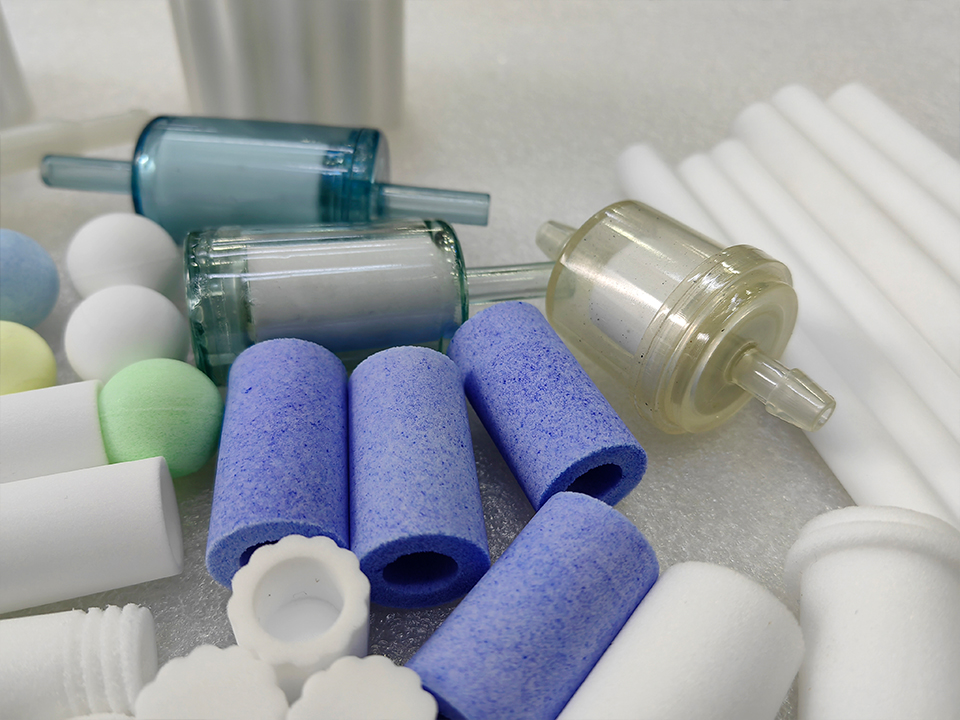
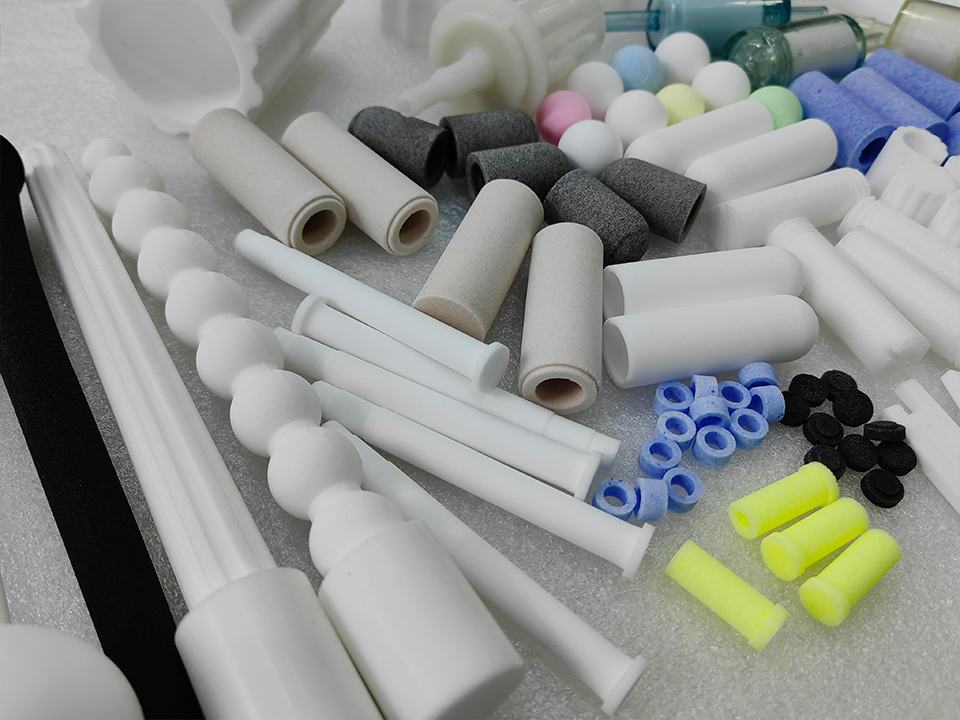
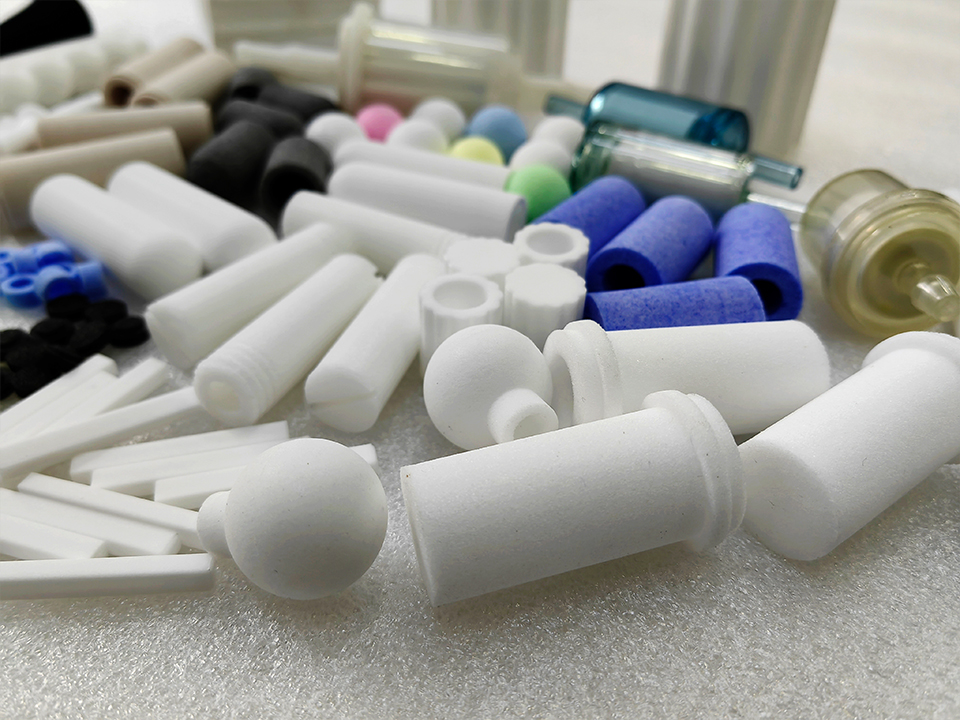
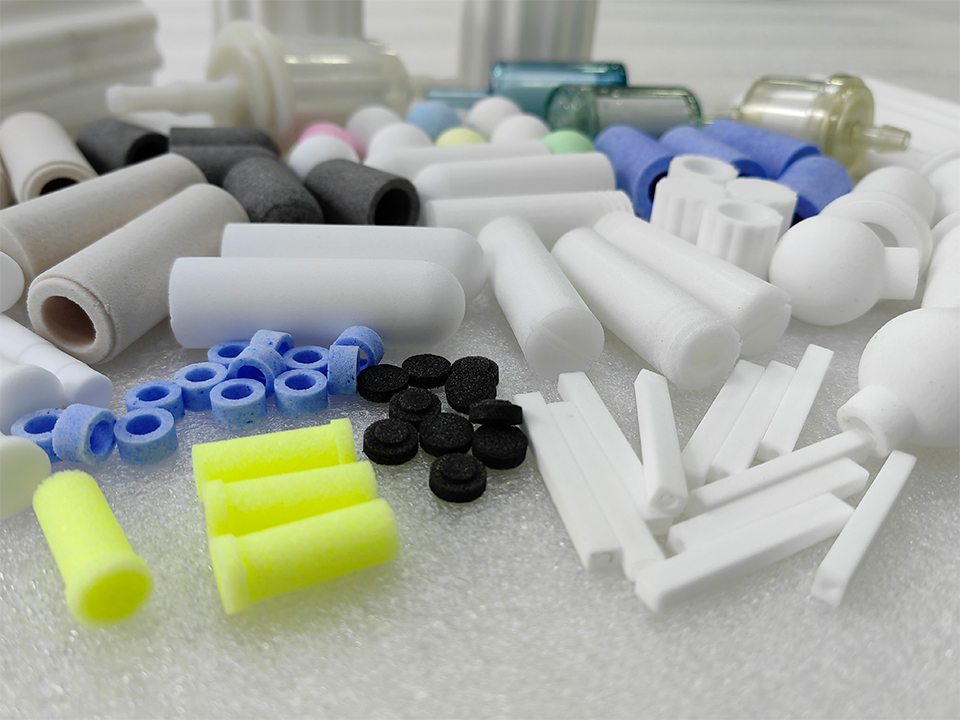
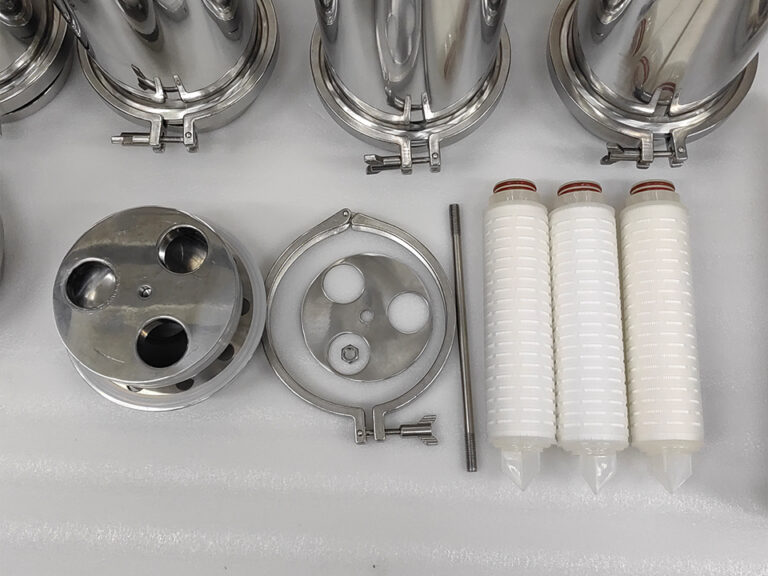
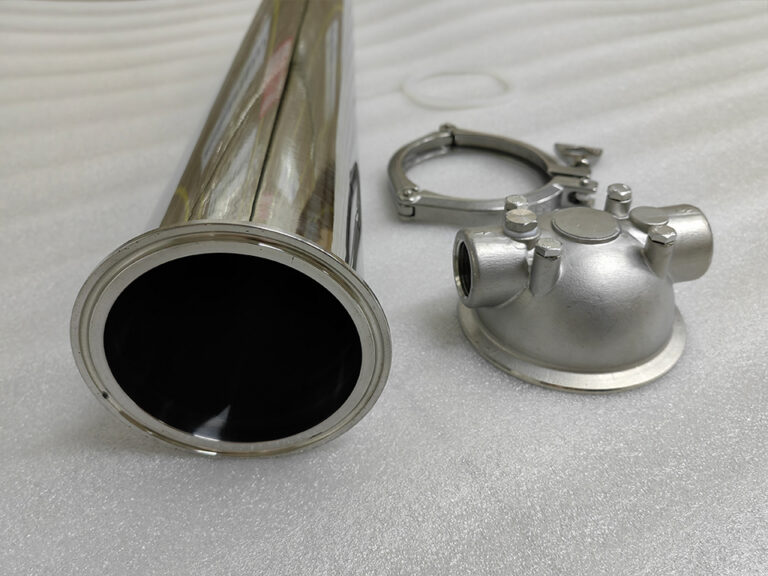
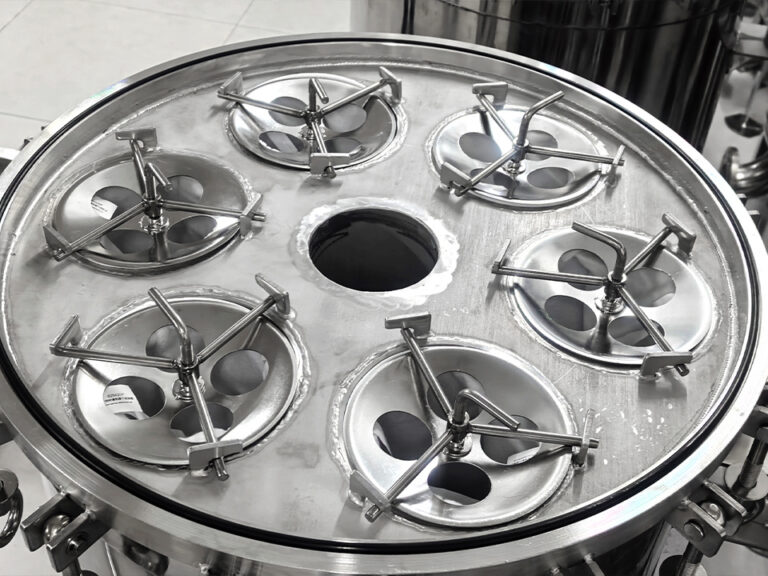
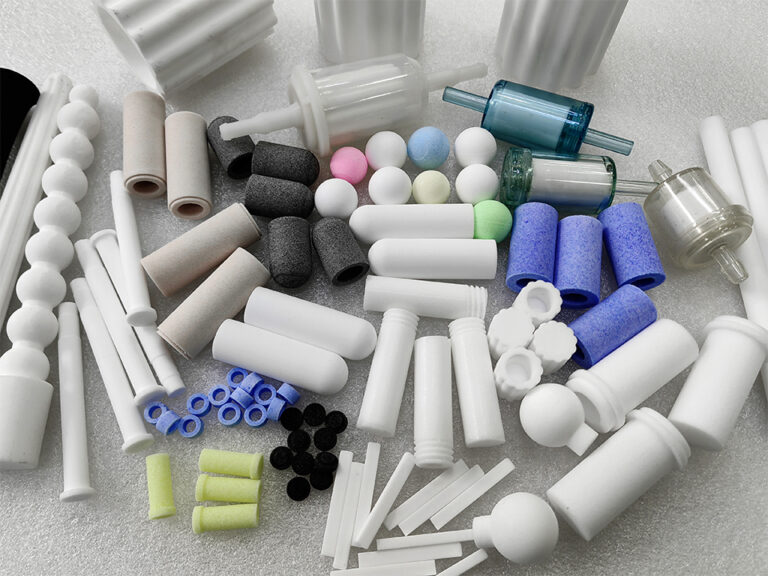
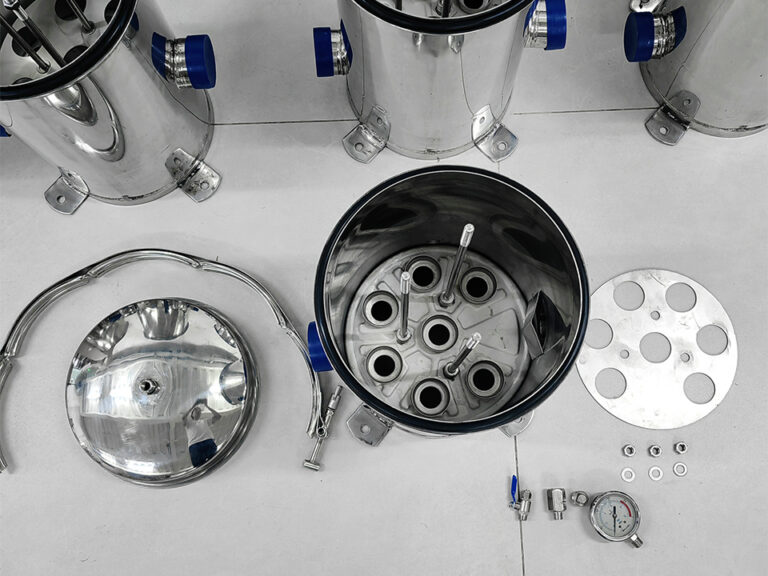
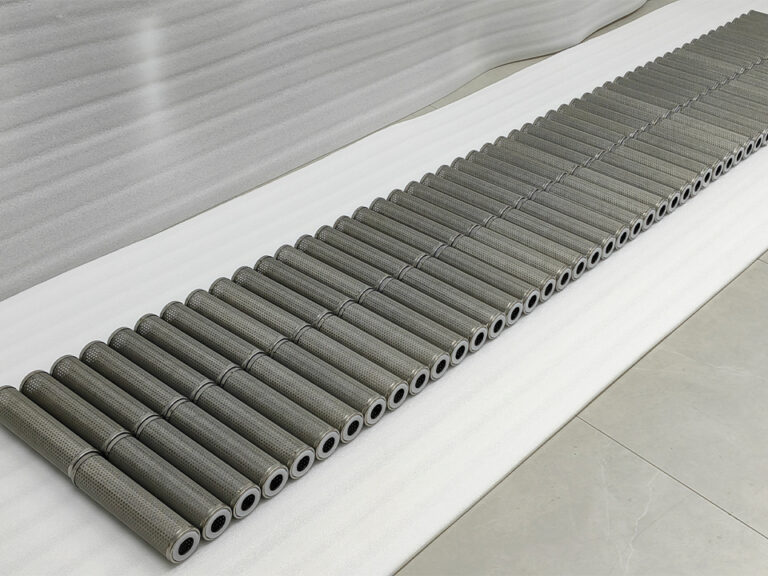
広州立源浄水設備有限公司は2009年に設立された工業用フィルターメーカーで、ステンレスフィルターハウジング、ステンレス無菌水タンク、フィルターエレメント、フィルターバッグ、超高分子材料、焼結フィルター製品を設計、製造している。Lvyuanは、OEM/ODMサポート、ISO9001品質管理、および複数の国の認証のためにバイヤーを選択します。.
カートリッジ交換までの許容圧力損失の増加量
We push filters as well much. That’s the uncomfortable beginning factor. When I assess plants in 2024– 2025, the solitary most typical quiet failing setting in cartridge filtering is “just a few even more psi” of pressure decline that every person tolerates until something breaks.

What “Appropriate” Pressure Drop Really Implies
Acceptable stress decline is the boost in differential stress throughout a cartridge filter that you can deal with before efficiency, safety and security, or price go sidewards. In practice, it’s the slim band between typical fouling and stupidly costly operation.
Many producers and field guides silently converge on the same range: a preliminary tidy filter drop of about 1– 3 psi, and a changeout trigger when the pressure decrease has raised by approximately 5– 7 psi over that baseline for normal water filter cartridge applications. So if your clean cartridge sits at 2 psi, you’re usually checking out a 7– 9 psi overall drop as your ceiling prior to substitute, not the 15– 20 psi I still see in terribly run systems.
When we speak about pressure decline cartridge filter behavior, that “appropriate” band isn’t simply a rule-of-thumb; it’s a proxy for threat: pump pressure, energy burn, media damages, and product quality disintegration all explode once you press beyond that modest differential pressure increase.
How Differential Stress Tells You Your Filter’s Health and wellness
Differential stress across a cartridge filter is the most truthful KPI you’ll ever obtain from a purification system. It’s just the distinction between inlet and electrical outlet pressure, however it informs you at a glance whether the media is loading typically, connecting unnaturally fast, or starting to unload solids back into the stream.
In tidy service, typical sediment or carbon cartridges will certainly show an initial differential stress of 1– 3 psi when water is streaming, which is entirely regular and typically recorded by suppliers and field guides. As particulates collect, that differential creeps up in an approximately predictable curve, and your task is to choose at what point that added resistance develops into shed throughput, rising energy intake, or downstream procedure instability.
One difficult fact: when operators disregard filter differential stress requirements and deal with “much more resistance” as a badge of efficient filtration, they’re commonly encountering media deformation, directing, or even solids unloading, where clogged cartridges start disposing maintained contaminants back into the item stream at high ΔP.
Regular Stress Decline Purviews: Stop Prior To Damage Begins
An appropriate pressure drop boost is not an universal constant; it’s bounded by your system stress, pump contour, fluid, and the cartridge design. However if you’re operating in drinkable or procedure water with common PP sediment or carbon cartridges, the varieties are surprisingly regular across recent support:
- First tidy cartridge decrease: 1– 3 psi under regular flow.
- Suggested changeout increase: extra 5– 7 psi above that standard, meaning complete differential stress of around 6– 10 psi in numerous water systems.
- Consuming water rule of thumb: time overrides stress decrease; even if ΔP is still “acceptable,” many authorities insist on 6‑month maximum intervals to prevent microbial development inside the cartridge real estate.
In industrial fluid filtering with higher thickness or solids lots, I have actually seen groups press cartridges right into the 15– 25 psi variety, after that act stunned when pumps cavitate and seals stop working. The safe area, if you care about asset life, is typically to establish your cartridge filter changeout guidelines at the reduced end of the manufacturer’s advised differential pressure limit and never ever make believe that “a little bit extra” ΔP is free.

Why Running Cartridges “To the Death” Misbehaves Business
Allow’s be blunt: stretching the most effective time to transform a cartridge filter is usually an incorrect economy. You save a $20–$80 aspect and burn hundreds or thousands on power, pump maintenance, and lost production capability over a year.
Every extra psi of stress drop in a closed-loop pumping system adds load to the pump, boosts energy draw, and changes you away from the reliable part of the pump contour, which is why many sensible guides recommend changing cartridges as soon as you see that extra 5– 7 psi rise instead of riding it all the method to 15+ psi. And if your cartridge media is polypropylene debris or carbon, high differential stress can flaw the media, cause channeling, and jeopardize the micron score you assumed you were preserving.
So when I see a plant tolerating “just a bit extra resistance” as opposed to following its own filter differential stress requirements, what I’m really seeing is unpriced danger: the appropriate stress decline filter threshold has actually been quietly moved to compensate for bad investing in, inadequate upkeep, or pure functional idleness.
Micron Score, Liquid, and Application: Pressure Drop Is Context-Dependent
Pressure decline increase limitations just make sense when you combine them with the filter’s micron score, liquid properties, and application. A 5 micron PP sediment cartridge seeing river water is not in the very same globe as a 1 micron final brightening cartridge in a food-grade system, also if the housings look the same.
Higher thickness, higher solids tons, and finer micron rankings all drive a steeper stress decrease contour, which means your acceptable pressure drop filter restriction might require to be lower, not higher, if you care about steady flow and consistent filtration quality. In warm process streams or chemically aggressive atmospheres, you likewise have to make up media creep and housing imbalance, where over-pressuring cartridges leads to mechanical failing rather than simply “hard work”.
That’s why liable operators define cartridge filter changeout guidelines per application– pre-filtration, main filtering, brightening– as opposed to throwing a solitary ΔP limit at every stage in a multi‑cartridge train.
Practical Methods to Specify Your Own Acceptable Pressure Decline Variety
If you want a pressure decrease approach that works in your plant rather than just sounding good in a manual, you need a mix of actual dimension, conservative limitations, and a willingness to leave some theoretical filter life on the table.
Start with your actual cartridges: if you’re making use of 5 micron PP sediment elements for pre‑filtering waste water, river water, sea water, or well water, you need to calibrate your appropriate pressure decline boost versus both solids tons and upstream process stability, not simply supplier brochures. Then consider your pump contour and energy price; if your power prices are climbing or your pumps are already running near their style limits, a lower ΔP changeout limit will pay for itself over time even if it looks “very early”.
If you’re running an RO system with a consolidated sediment/carbon prefilter, it deserves connecting your technique to an actual product as opposed to an abstract spec. For example, a 5 micron PP plus carbon combination cartridge such as the
5 micron PP carbon water filter cartridge for 10– 20 inch reverse osmosis systems
will certainly show a characteristic packing pattern as both solids and chlorine are stripped out; your videotaped clean ΔP and your specified 5– 7 psi raise restriction must be matched to that particular cartridge instead of presumed on the fly.
For severe raw sources– wastewater, river water, sea water, well water– geometry and surface begin to drive the economics. High‑area cartridges like the
can keep your ΔP contour flatter for longer, however they likewise motivate poor practices: operators see “great deals of location” and think they can deal with a lot greater stress decreases than the pumps or real estates were developed for.
In commercial fluid pre‑filtration, particularly at greater stress, the mechanical design of the cartridge issues. Systems built around reinforced cores, such as a
can tolerate more stress and anxiety prior to failing, however that doesn’t suggest your acceptable ΔP restriction should be set at “optimal real estate score”. It should be set at the factor where power, pump wear, and media honesty still make financial feeling.
And when your plant runs a mix of 10, 20, 30, and 40 inch real estates, utilizing a coherent family of aspects such as
PP debris water filter replacement cartridges in 10, 20, 30, and 40 inch sizes
at least provides you standard information: differential stress, changeout intervals, and efficiency curves become comparable as opposed to a jumble of one‑off behaviors.

Advised Stress Decline and Changeout Varies
Here’s a distilled sight of what I consider practical varieties for various cartridge duties, based upon guidance and common practice in recent times:
| Cartridge Role | Normal Micron Variety | First ΔP (psi) | Acceptable Rise (psi) | Total ΔP Changeout (psi) | Notes on Practice |
|---|---|---|---|---|---|
| Pre‑sediment PP in drinking water | 5– 40 micron | 1– 3 | 5– 7 | 6– 10 | Time‑based 3– 6 month max to avoid microorganisms; do not exceed 10 psi in tiny RO lines. |
| Granular/Block carbon in faucet water | 5– 10 micron | 2– 5 | 5– 7 | 7– 12 | Taste/chlorine innovation often appears before max ΔP; change on taste or ΔP, whichever initially. |
| Industrial fluid pre‑filtration | 5– 25 micron | 2– 4 | 6– 10 | 8– 14 | Higher thickness liquids enable even more ΔP however see pump restrictions and power consumption. |
| Fine brightening cartridge | 1– 5 micron | 2– 5 | 4– 6 | 6– 10 | Item top quality typically determines tighter limitations than mechanical capacity. |
| High‑solids set filtering | 10– 50 micron | 3– 6 | 8– 12 | 11– 18 | Set processes sometimes accept greater ΔP; media damages threat increases dramatically above this band. |
When to Replace Cartridge Filters: Beyond Just Pressure Drop
The right time to replace a cartridge is when the pressure decrease and time‑in‑service with each other signal that the filter is no longer reputable, even if water still moves and taste seems fine.
Stress drop increase limits provide you the mechanical side of the tale, yet you additionally have to respect health, particularly in drinking water: technological guidance and field technique commonly insist on cartridge substitute at least every 6– one year despite ΔP patterns, because microbial development and biofilm formation don’t appear directly in stress analyses up until long after they’re a wellness worry. And if you see taste adjustments, color shifts, or media discoloration long prior to you strike your specified industrial filter pressure decrease range, that’s an indicator that your cartridge is doing something besides what you purchased it for.
The best time to transform a cartridge filter, if you appreciate threat, is earlier than your accounting professional assumes and exactly when your stress and time information say “sufficient”.
Interior Examples: Cartridge Choices That Forming Pressure Decrease Habits
We can’t talk about appropriate pressure decline boost without checking out the cartridges themselves, since the design and micron rating determine how promptly differential stress will certainly climb under lots.
If you’re running a 5 micron PP sediment and carbon combination for reverse osmosis pre‑filtration, you’ll see a particular loading pattern as solids and chlorine are removed out, and your ΔP curve will certainly tell you how much time those cartridges can realistically last before they need to be exchanged. In contrast, when you transfer to high‑flow big PP elements for harsh waste, river, sea, or well water problems, the geometry and area of the cartridges change everything: even more location, more tolerance for solids, however additionally a sharper efficiency cliff when you ultimately strike your stress limitation.
And if you’ve tipped up to commercial pre‑filtration systems with strengthened cores, developed for 5 micron debris elimination at greater stress, your acceptable pressure decline filter array may broaden a little– however the logic remains the exact same: differential stress is the bill you spend for purification, and overpaying is optional.

FREQUENTLY ASKED QUESTION: Responding To the Tough Concerns Operators In Fact Ask
What is an appropriate pressure decline increase prior to cartridge changeout?
An appropriate pressure drop rise before cartridge changeout is the added differential pressure, normally around 5– 7 psi over the tidy filter baseline, that you permit throughout a cartridge before replacing it to shield flow, pump health, and item quality. In most typical water filtering systems, this implies starting with a tidy filter ΔP of 1– 3 psi and activating changeout when overall differential pressure reaches roughly 6– 10 psi, although high‑solids or industrial applications may define slightly greater restrictions based upon pump curves and housing layout.
How much pressure decrease is excessive in filters?
Way too much pressure drop in filters is any differential stress where the filter media starts to flaw, pumps move off their effective operating range, and energy or quality losses surpass the marginal benefit of extra particle capture, commonly over 10– 12 psi in tiny water systems and 15+ psi in even more durable commercial setups. Once you go across that threshold, you’re typically dealing with transporting, solids unloading, or cavitation risk as opposed to simple “effective purification,” which is why liable guidelines suggest changeout at reduced ΔP levels rather than running cartridges to failing.
When is the very best time to transform a cartridge filter?
The very best time to change a cartridge filter is when its differential stress has actually increased by roughly 5– 7 psi above the first clean standard or when a fixed time frame– typically 3– 6 months for pre‑filters and approximately year for some carbon phases– has elapsed, whichever takes place first. This dual trigger stays clear of both mechanical overload and health danger, guaranteeing that filters are changed prior to germs development, preference deterioration, or pump anxiety become severe functional issues even if water still looks clear.
Do industrial filter stress decrease ranges vary from property systems?
Industrial filter pressure decrease varies differ from domestic systems because they run at higher circulations, commonly take care of much more thick or polluted fluids, and make use of cartridges and real estates designed to endure better mechanical anxiety, indicating appropriate ΔP can be decently greater while still risk-free. Nonetheless, even in commercial contexts, the concept holds: you established a clear changeout limitation well below the optimum mechanical capability of the system to stay clear of media damages, energy waste, and unsteady process control, not at the edge of what the housing can literally survive.
Are filter differential stress standards obligatory or just finest technique?
Filter differential pressure standards are commonly best‑practice operational guidelines as opposed to lawfully binding requireds, yet in controlled drinking water and food‑grade contexts they may efficiently serve as mandatory standards via audit, certification, and examination procedures. In both instances, ignoring these standards often tends to appear not in court initially yet in pump failings, inconsistent quality information, and quietly increasing power bills, which is why significant operators treat ΔP limitations as non‑negotiable thresholds as opposed to flexible suggestions.
Conclusion: Quit Guessing Your Stress Decline Boundary
If you’re still guessing at what constitutes an acceptable pressure decline rise before cartridge changeout, it’s time to quit. Specify your baseline, established a sensible ΔP limit, and set it with time‑based policies so your filters serve the procedure rather than quietly undermining it. We both know that “simply a bit more pressure decline” is practically never ever cost-free; you can select to pay the bill in regulated cartridge replacements, or you can keep spending for it in energy, downtime, and the sort of top quality issues nobody wants to explain to a regulatory authority.